What is the working temperature range of a pressure gauge adaptor?
Leave a message

What is the working temperature range of a pressure gauge adaptor?
As a seasoned supplier of pressure gauge adaptors, I often encounter inquiries regarding the working temperature range of these essential components. Understanding the optimal temperature conditions for pressure gauge adaptors is crucial for ensuring their accurate performance and longevity in various industrial applications. In this blog post, I'll delve into the factors that influence the working temperature range of pressure gauge adaptors and provide insights into selecting the right adaptor for specific temperature requirements.
Factors Affecting the Working Temperature Range
Several factors contribute to determining the working temperature range of a pressure gauge adaptor. These factors include the material composition, design, and the type of application in which the adaptor is used.
Material Composition
The material used to manufacture the pressure gauge adaptor plays a significant role in its temperature tolerance. Common materials for pressure gauge adaptors include stainless steel (SS) and brass.
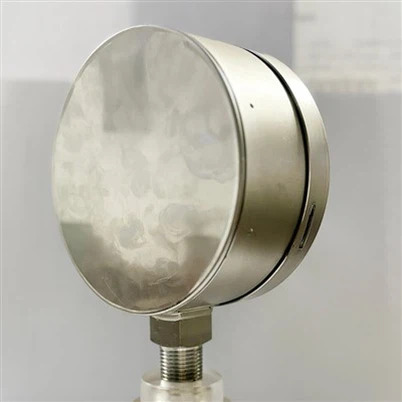
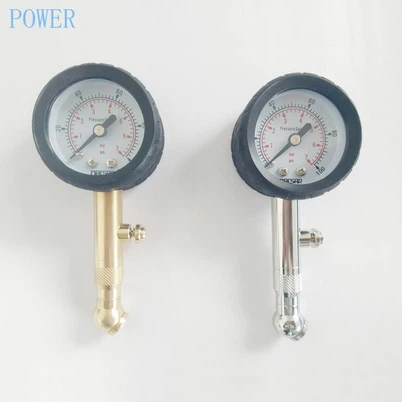
- Stainless Steel (SS): SS Material Adaptors are known for their excellent corrosion resistance and high-temperature tolerance. They can typically withstand temperatures ranging from -20°C to 400°C (-4°F to 752°F). The high chromium and nickel content in stainless steel provides a protective oxide layer that prevents corrosion and oxidation, making it suitable for harsh environments and high-temperature applications. You can explore our range of SS Material Adaptor on our website.
- Brass: Brass Material Adaptors are widely used due to their good machinability, conductivity, and relatively low cost. However, brass has a lower temperature tolerance compared to stainless steel. Brass adaptors can generally operate within a temperature range of -20°C to 150°C (-4°F to 302°F). At higher temperatures, brass may experience softening and loss of mechanical properties, which can affect the accuracy and reliability of the pressure gauge. Check out our Brass Material Adaptor options for applications within this temperature range.
Design and Construction
The design and construction of the pressure gauge adaptor also impact its temperature performance. Adaptors with proper insulation, heat dissipation features, and robust sealing mechanisms are better equipped to handle extreme temperatures. For example, adaptors with heat-resistant coatings or insulating materials can help protect the internal components from excessive heat, while well-designed seals prevent leakage and maintain the integrity of the pressure measurement system.
Application Requirements
The specific application in which the pressure gauge adaptor is used determines the required temperature range. Different industries and processes have varying temperature conditions, and it's essential to select an adaptor that can withstand the temperatures encountered in the application. For instance, in the oil and gas industry, pressure gauge adaptors may be exposed to high temperatures during drilling, refining, and transportation processes. In contrast, in food and beverage processing, adaptors may need to operate within a relatively lower temperature range to ensure product quality and safety.
Importance of Operating within the Recommended Temperature Range
Operating a pressure gauge adaptor within its recommended temperature range is critical for several reasons:
- Accuracy: Temperature variations can affect the mechanical properties of the adaptor, such as the elasticity of the sensing element and the expansion or contraction of the materials. These changes can lead to inaccurate pressure readings if the adaptor is not designed to handle the specific temperature conditions. By operating within the recommended temperature range, you can ensure the accuracy and reliability of the pressure measurement.
- Longevity: Exposing a pressure gauge adaptor to temperatures outside its specified range can cause premature wear and damage to the components. High temperatures can accelerate oxidation, corrosion, and material degradation, while low temperatures can make the materials brittle and prone to cracking. By operating within the recommended temperature range, you can extend the lifespan of the adaptor and reduce the need for frequent replacements.
- Safety: In some applications, inaccurate pressure measurements can pose significant safety risks. For example, in a pressure vessel or a hydraulic system, an incorrect pressure reading could lead to overpressure or underpressure conditions, which may result in equipment failure, leaks, or even explosions. By using an adaptor that is suitable for the operating temperature, you can ensure the safety of the personnel and the equipment.
Selecting the Right Pressure Gauge Adaptor for Your Temperature Requirements
When selecting a pressure gauge adaptor for your application, it's important to consider the following factors:
- Temperature Range: Determine the minimum and maximum temperatures that the adaptor will be exposed to in the application. Choose an adaptor with a working temperature range that exceeds the expected temperature conditions to provide a safety margin.
- Material Compatibility: Consider the compatibility of the adaptor material with the process media and the environmental conditions. Ensure that the material can withstand the chemical properties of the media and the potential for corrosion or contamination.
- Design and Features: Look for adaptors with features that enhance their temperature performance, such as heat-resistant coatings, insulation, and robust sealing mechanisms. These features can help protect the adaptor from extreme temperatures and ensure reliable operation.
- Industry Standards and Regulations: Check if the application requires compliance with specific industry standards or regulations regarding temperature ratings and pressure measurement. Choose an adaptor that meets the relevant standards to ensure the safety and quality of the system.
Conclusion
The working temperature range of a pressure gauge adaptor is influenced by several factors, including the material composition, design, and application requirements. By understanding these factors and selecting an adaptor that is suitable for the operating temperature, you can ensure the accuracy, longevity, and safety of the pressure measurement system. As a supplier of pressure gauge adaptors, we offer a wide range of products made from different materials and with various features to meet the diverse temperature requirements of our customers.
If you have any questions or need assistance in selecting the right pressure gauge adaptor for your application, please feel free to contact us. Our team of experts is available to provide you with the necessary guidance and support to make an informed decision. We look forward to the opportunity to discuss your specific needs and help you find the perfect solution for your pressure measurement requirements.


References
- ASME B40.100 - Pressure Gauges and Gauge Attachments
- ISO 5167 - Measurement of fluid flow by means of pressure differential devices inserted in circular cross-section conduits running full
- API 610 - Centrifugal Pumps for Petroleum, Heavy Chemical, and Gas Industry Services