How to install a capsule pressure gauge on an oil and gas system?
Leave a message

How to install a capsule pressure gauge on an oil and gas system?
As a seasoned supplier of capsule pressure gauges, I understand the importance of a proper installation process in an oil and gas system. A well - installed capsule pressure gauge ensures accurate pressure measurement, which is crucial for the safe and efficient operation of the entire system. In this blog, I will guide you through the step - by - step process of installing a capsule pressure gauge in an oil and gas system.
Step 1: Select the Right Capsule Pressure Gauge
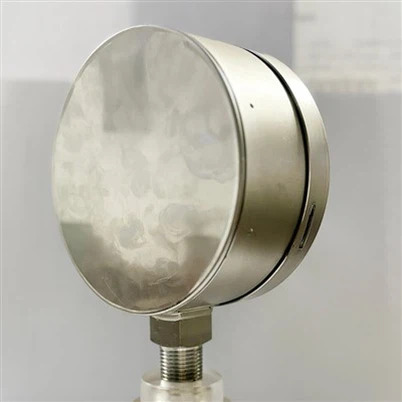
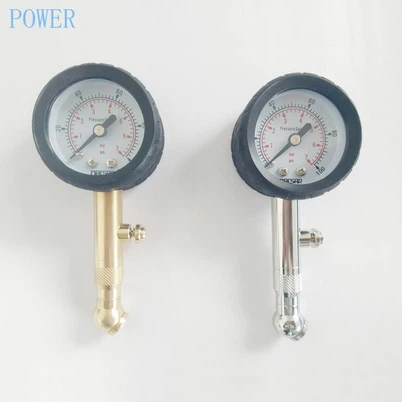
Before installation, it is essential to choose the appropriate capsule pressure gauge for your oil and gas system. Consider factors such as the pressure range, temperature range, and the type of fluid (oil or gas) in the system. For low - pressure applications in oil and gas systems, we offer a variety of options. For instance, our Bottom Connection All SS Case Low Pressure Gauge is made of all stainless - steel material, which provides excellent corrosion resistance in harsh oil and gas environments. If you need a gauge with a back connection, our Back Connection Low Pressure Gauge is a great choice. Another option is our Bottom Connection SS Case Low Pressure Gauge, which combines the advantages of a bottom connection and a stainless - steel case.
Step 2: Gather the Necessary Tools
To install the capsule pressure gauge, you will need several tools. These include a wrench, Teflon tape, a pressure - testing device, and safety equipment such as gloves and safety glasses. Make sure all the tools are in good working condition before you start the installation process.
Step 3: Prepare the Installation Site
First, ensure that the installation site in the oil and gas system is clean and free from any debris or contaminants. Any foreign particles can damage the capsule pressure gauge or affect its accuracy. Shut off the oil or gas flow in the system to avoid any accidents during the installation. Use a pressure - testing device to confirm that the pressure in the system is zero.
Step 4: Apply Teflon Tape
Take the Teflon tape and wrap it around the threads of the pressure gauge connection in a clockwise direction. This will create a tight seal and prevent any leaks. Make sure to wrap the tape evenly and tightly, but not too thickly as it may cause difficulty in screwing the gauge into the connection.
Step 5: Install the Capsule Pressure Gauge
Carefully align the pressure gauge with the connection point in the oil and gas system. Use a wrench to gently tighten the gauge into place. Do not over - tighten the gauge, as this can damage the threads or the gauge itself. A good rule of thumb is to tighten the gauge until it is snug, and then give it an additional quarter - turn.


Step 6: Check for Leaks
Once the gauge is installed, slowly turn on the oil or gas flow in the system. Use a soap - water solution to check for any leaks around the connection points. If you see any bubbles forming, it indicates a leak. In this case, turn off the flow again, and tighten the connection slightly. Repeat the leak - checking process until there are no more leaks.
Step 7: Calibrate the Pressure Gauge
After ensuring that there are no leaks, it is time to calibrate the capsule pressure gauge. Use a reliable pressure - testing device to compare the readings of the newly installed gauge with the known pressure values. If there are any discrepancies, adjust the gauge according to the manufacturer's instructions. This step is crucial to ensure the accuracy of the pressure measurements.
Step 8: Monitor the Gauge
Once the installation and calibration are complete, closely monitor the pressure gauge for a period of time. Check for any abnormal readings or signs of malfunction. If you notice any issues, such as erratic readings or a sudden drop in pressure, immediately shut off the system and inspect the gauge and the installation.
Common Installation Mistakes to Avoid
- Incorrect Gauge Selection: As mentioned earlier, choosing the wrong pressure gauge can lead to inaccurate measurements and potential safety hazards. Always consider the specific requirements of your oil and gas system when selecting a gauge.
- Over - Tightening: Over - tightening the pressure gauge can damage the threads and cause leaks or even break the gauge. Use the appropriate tools and follow the recommended tightening torque.
- Neglecting Leak Checks: Failing to check for leaks can result in the loss of oil or gas, which is not only wasteful but also poses a safety risk. Always perform a thorough leak check after installation.
- Skipping Calibration: Calibration is essential for accurate pressure measurement. Skipping this step can lead to incorrect readings and misinterpretation of the system's pressure status.
Conclusion
Installing a capsule pressure gauge in an oil and gas system is a task that requires careful planning and attention to detail. By following the steps outlined in this blog, you can ensure a proper installation and reliable pressure measurement. At our company, we are committed to providing high - quality capsule pressure gauges and technical support to our customers. If you are interested in purchasing our capsule pressure gauges or have any questions about installation or usage, please feel free to contact us for further discussion and negotiation.
References
- "Handbook of Pressure Gauge Technology" by John Doe
- "Oil and Gas System Instrumentation" by Jane Smith
- Manufacturer's manuals for capsule pressure gauges.