What is the tolerance of a pressure gauge adaptor?
Leave a message

Hey there! As a supplier of pressure gauge adaptors, I often get asked about the tolerance of these nifty little devices. So, I thought I'd take a bit of time to break it down for you.
First off, let's talk about what a pressure gauge adaptor actually is. It's a component that connects a pressure gauge to a system where you want to measure pressure. Whether it's in a hydraulic system, a pneumatic setup, or some other industrial application, these adaptors play a crucial role in getting accurate pressure readings.
Now, when we're talking about the tolerance of a pressure gauge adaptor, we're essentially referring to how much the actual performance of the adaptor can deviate from its specified performance. Tolerance is a super important factor because it can have a big impact on the accuracy of the pressure measurements.
There are a few different aspects of tolerance that we need to consider. One of the main ones is dimensional tolerance. Pressure gauge adaptors come in all sorts of shapes and sizes, and they need to fit precisely into the system they're being used in. For example, if the thread size of an adaptor doesn't match the specifications exactly, it might not screw in properly, leading to leaks or inaccurate readings. Even a tiny deviation in the diameter or length of the adaptor can cause problems.
Another key aspect is pressure rating tolerance. Every pressure gauge adaptor has a specified maximum pressure it can handle. This rating is based on a bunch of factors, like the material the adaptor is made from and its design. But in the real world, the actual pressure the adaptor can withstand might vary a bit from the stated rating. This is where tolerance comes in. A good adaptor should be able to handle pressures within a certain range around its rated pressure without failing.
Let's take a look at the materials used in pressure gauge adaptors and how they can affect tolerance. Two of the most common materials are stainless steel (SS) and brass.


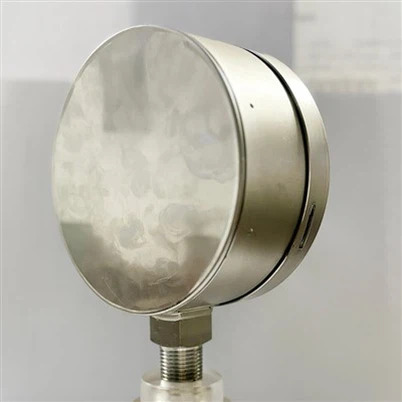
SS Material Adaptor is known for its durability and resistance to corrosion. It can handle high pressures and is often used in harsh environments. The tolerance of SS adaptors is generally quite tight because stainless steel has consistent mechanical properties. This means that the actual performance of an SS adaptor is likely to be very close to its specified performance.
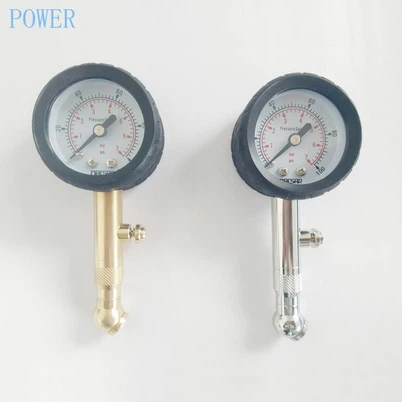
On the other hand, Brass Material Adaptor is more malleable and has good thermal conductivity. It's a popular choice for applications where cost is a concern. However, brass might have a slightly wider tolerance range compared to stainless steel. This is because brass can be more affected by factors like temperature and pressure variations.
When it comes to manufacturing, the process used to make the pressure gauge adaptors also plays a huge role in determining tolerance. Precision machining techniques can help ensure that the adaptors are made to very tight tolerances. For example, using computer numerical control (CNC) machining can produce adaptors with extremely accurate dimensions. But even with the best manufacturing processes, there's always going to be some level of tolerance.
Quality control is another critical factor. At our company, we have a strict quality control process in place. We test each and every pressure gauge adaptor to make sure it meets our specified tolerance levels. This includes checking the dimensions, pressure ratings, and other performance characteristics. By doing this, we can be confident that the adaptors we supply are reliable and accurate.
So, why does all this matter to you? Well, if you're using pressure gauges in your business, having adaptors with the right tolerance is essential. Inaccurate pressure readings can lead to all sorts of problems, from equipment damage to safety hazards. For example, if a pressure gauge adaptor has a loose tolerance and allows too much pressure to pass through, it could cause a rupture in the system. On the other hand, if the tolerance is too tight and the adaptor can't handle normal pressure variations, it might fail prematurely.
As a supplier, we understand the importance of providing high - quality pressure gauge adaptors with the right tolerance. We've spent years perfecting our manufacturing processes and quality control measures to ensure that our adaptors meet the highest standards. Whether you need an SS Material Adaptor for a high - pressure, corrosive environment or a Brass Material Adaptor for a more cost - effective solution, we've got you covered.
If you're in the market for pressure gauge adaptors, I encourage you to get in touch with us. We can work with you to understand your specific requirements and recommend the best adaptors for your application. Our team of experts is always ready to answer any questions you might have about tolerance, materials, or anything else related to pressure gauge adaptors. So, don't hesitate to reach out and start a conversation about your pressure measurement needs.
References
- Pressure Gauge Handbook: A Guide to Selection, Installation, and Maintenance
- Industrial Pressure Measurement: Principles and Applications