What are the installation requirements for the Inner Sensor CNG Gauge?
Leave a message

Hey there! As a supplier of the Inner Sensor CNG Gauge, I'm super stoked to share with you all the nitty - gritty details about its installation requirements.
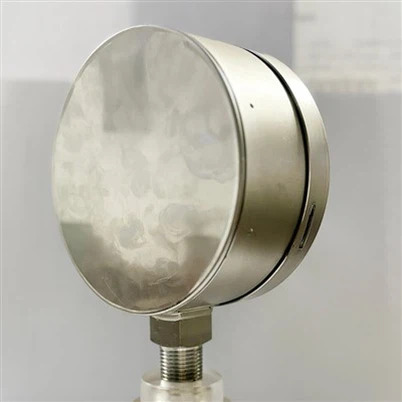
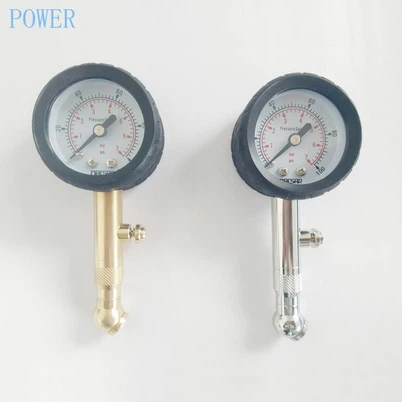
First off, let's understand what the Inner Sensor CNG Gauge is. It's a crucial device that measures the pressure of compressed natural gas (CNG) within a storage tank. This info helps users keep tabs on how much gas they've got left, ensuring they don't run out unexpectedly. If you're interested in our Outer Sensor CNG Gauge, you can check it out Outer Sensor CNG Gauge. And for more on the Inner Sensor CNG Gauge itself, head over to Inner Sensor CNG Gauge.


Safety First: Pre - installation Checks
Before you even start the installation process, safety should be your top priority. CNG is highly flammable, so you need to take every precaution.
- Ventilation: Make sure the area where you're installing the gauge is well - ventilated. CNG can accumulate in enclosed spaces, creating a serious fire and explosion hazard. If you're doing the installation indoors, open windows and doors, or use exhaust fans to keep the air moving.
- Shut - off the Gas Supply: Always turn off the CNG supply before starting any work. This might seem obvious, but you'd be surprised how many accidents happen because people forget this simple step. Locate the main shut - off valve for the CNG system and close it. Double - check to make sure there's no gas flowing.
- Inspect the Gauge: Give the Inner Sensor CNG Gauge a thorough once - over. Look for any signs of damage, like cracks in the housing or bent connectors. If you spot any issues, don't install it. Contact us right away, and we'll get you a replacement.
Tools and Equipment
You'll need a few tools to get the job done right. Here's a list of what you should have on hand:
- Wrenches: A set of adjustable wrenches or socket wrenches will be needed to tighten the connections. Make sure the wrenches fit the size of the nuts and bolts on the gauge and the CNG system.
- Sealant: Use a high - quality thread sealant on all threaded connections. This helps prevent gas leaks. Make sure the sealant is compatible with CNG.
- Screwdriver: You might need a screwdriver to secure the gauge to its mounting surface.
- Leak Detector: A gas leak detector is essential. After installation, you'll use it to check for any gas leaks around the gauge and its connections.
Mounting the Gauge
The location where you mount the Inner Sensor CNG Gauge is important.
- Accessibility: Mount the gauge in a place where it's easy to read. You don't want to have to struggle to see the pressure readings. Ideally, it should be at eye level.
- Stability: The mounting surface should be stable and strong enough to hold the gauge. Avoid mounting it on surfaces that vibrate a lot, as this can affect the accuracy of the readings.
- Distance from the Tank: Keep the gauge at a reasonable distance from the CNG tank. The closer it is to the tank, the more accurate the pressure readings will be. But make sure it's not so close that it's in danger of being damaged by the tank or any moving parts.
Connecting the Gauge
Now comes the part where you actually connect the Inner Sensor CNG Gauge to the CNG system.
- Threaded Connections: Carefully thread the gauge onto the appropriate fitting on the CNG system. Don't force it; if it doesn't seem to be going on smoothly, double - check that you're using the right size and type of connection. Once it's threaded on, use your wrench to tighten it securely. But don't over - tighten, as this can damage the threads and cause leaks.
- Electrical Connections (if applicable): Some Inner Sensor CNG Gauges might have electrical connections for features like digital displays or alarms. If yours does, follow the manufacturer's instructions carefully. Make sure all electrical connections are clean and tight.
- Testing the Connections: After making all the connections, use your leak detector to check for any gas leaks. Spray the leak detector solution around all the connections. If you see bubbles forming, that means there's a leak. Tighten the connection or apply more sealant as needed.
Calibration
Once the gauge is installed and you've confirmed there are no leaks, it's time to calibrate it.
- Follow the Manufacturer's Instructions: Every Inner Sensor CNG Gauge is a bit different, so make sure you follow the calibration instructions that came with your gauge. Usually, this involves adjusting the gauge to read zero when there's no pressure and then adjusting it to the correct pressure when a known pressure is applied.
- Use a Calibration Device: You might need a calibration device to accurately set the gauge. If you're not sure how to use it, our technical support team is always here to help.
Post - installation Checks
After calibration, do one final check.
- Visual Inspection: Look over the entire installation again. Make sure all connections are tight, and there are no signs of damage or leaks.
- Function Test: Turn on the CNG supply and watch the gauge. It should start showing the correct pressure. If the readings seem off or the gauge isn't working properly, don't panic. There could be a simple issue that we can help you fix.
Why Choose Our Inner Sensor CNG Gauge?
Our Inner Sensor CNG Gauge is top - notch. It's made with high - quality materials, ensuring long - lasting performance. We've got a great track record of providing reliable products to our customers. And if you ever have any questions or run into issues, our customer service team is just a call or an email away.
If you're in the market for an Inner Sensor CNG Gauge or have any questions about the installation process, don't hesitate to reach out. We're here to make sure you get the best product and the support you need. Whether you're a small business owner or part of a large fleet, our gauges are the perfect fit for your CNG pressure - measuring needs. So, why wait? Let's start this partnership and get you the Inner Sensor CNG Gauge you deserve.
References
- Compressed Natural Gas Safety Manual, Industry Standard Edition
- Inner Sensor CNG Gauge User Manual