How to enhance the durability of a pressure gauge adaptor?
Leave a message

How to Enhance the Durability of a Pressure Gauge Adaptor
As a dedicated supplier of pressure gauge adaptors, I understand the pivotal role these components play in various industrial applications. A pressure gauge adaptor serves as a crucial link between the pressure gauge and the system it monitors, ensuring accurate pressure measurement. However, the durability of these adaptors can significantly impact their performance and longevity. In this blog, I will share some valuable insights on how to enhance the durability of a pressure gauge adaptor.
Select the Right Material
The choice of material is fundamental in determining the durability of a pressure gauge adaptor. Different materials offer varying levels of resistance to corrosion, wear, and high pressures. Two common materials used for pressure gauge adaptors are stainless steel (SS) and brass.
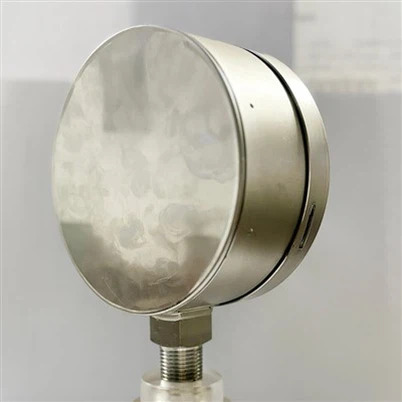
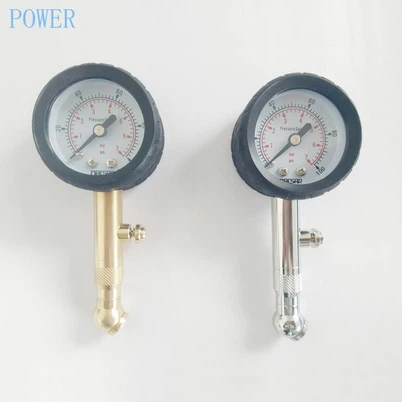
Stainless steel is renowned for its excellent corrosion resistance, making it an ideal choice for applications in harsh environments, such as chemical processing plants, marine settings, and food and beverage industries. The SS Material Adaptor is highly durable and can withstand exposure to corrosive substances, high temperatures, and extreme pressures. Its robust construction ensures long - term reliability, reducing the need for frequent replacements.


On the other hand, brass is a cost - effective option that offers good mechanical properties and moderate corrosion resistance. The Brass Material Adaptor is suitable for less demanding applications, such as general industrial and plumbing systems. However, in environments with high humidity or exposure to certain chemicals, brass may be more prone to corrosion over time.
When selecting a material, it is essential to consider the specific operating conditions of the application, including the type of fluid or gas being measured, temperature, pressure, and the presence of corrosive agents.
Proper Installation
Proper installation is crucial for the durability of a pressure gauge adaptor. Incorrect installation can lead to leaks, misalignment, and premature failure. Here are some key installation tips:
- Clean the Connection Surfaces: Before installing the adaptor, ensure that the connection surfaces of both the adaptor and the pressure gauge or the system are clean and free from dirt, debris, and rust. Any contaminants can prevent a proper seal and cause leaks.
- Use the Right Tools: Use appropriate tools for installation, such as wrenches of the correct size. Avoid over - tightening, as this can damage the threads or the adaptor body. Follow the manufacturer's recommended torque specifications to ensure a secure and leak - free connection.
- Align the Adaptor Correctly: Make sure the adaptor is properly aligned with the pressure gauge and the system. Misalignment can cause stress on the adaptor, leading to cracks or breakage over time.
Regular Maintenance
Regular maintenance is essential to extend the lifespan of a pressure gauge adaptor. Here are some maintenance practices:
- Inspect for Leaks: Periodically check the adaptor for any signs of leaks. Look for moisture, stains, or hissing sounds, which may indicate a leak. If a leak is detected, tighten the connections or replace any damaged seals immediately.
- Clean the Adaptor: Clean the adaptor regularly to remove dirt, dust, and other contaminants. Use a mild detergent and a soft brush to clean the surface of the adaptor. Avoid using abrasive materials that can scratch the surface and compromise its corrosion resistance.
- Check for Wear and Damage: Inspect the adaptor for signs of wear, such as worn threads, cracks, or deformation. If any damage is found, replace the adaptor promptly to prevent further problems.
Protect from Environmental Factors
Environmental factors can have a significant impact on the durability of a pressure gauge adaptor. Here are some ways to protect the adaptor from these factors:
- Corrosion Protection: In corrosive environments, apply a suitable corrosion - resistant coating to the adaptor. This can help prevent rust and corrosion, extending the life of the adaptor.
- Temperature and Pressure Control: Ensure that the pressure gauge adaptor is operating within its specified temperature and pressure limits. Excessive temperature or pressure can cause the adaptor to deform or fail. Use pressure relief valves and temperature regulators to maintain safe operating conditions.
- Shock and Vibration Isolation: In applications where there is significant shock or vibration, use shock - absorbing mounts or vibration isolators to protect the adaptor. This can prevent damage to the adaptor caused by mechanical stress.
Quality Assurance
As a supplier, we are committed to providing high - quality pressure gauge adaptors. Our manufacturing process adheres to strict quality control standards to ensure that each adaptor meets or exceeds industry requirements. We use advanced manufacturing techniques and state - of - the - art equipment to produce adaptors with precise dimensions and excellent mechanical properties.
Before shipping, each adaptor undergoes rigorous testing to ensure its performance and durability. We test for pressure resistance, leak tightness, and other critical parameters to guarantee that our customers receive reliable products.
Conclusion
Enhancing the durability of a pressure gauge adaptor requires a combination of proper material selection, correct installation, regular maintenance, protection from environmental factors, and high - quality manufacturing. By following these guidelines, you can ensure that your pressure gauge adaptors perform reliably and have a long service life.
If you are in the market for high - quality pressure gauge adaptors or have any questions about enhancing their durability, please feel free to contact us for a detailed discussion. We are here to provide you with the best solutions for your pressure measurement needs.
References
- ASME B31.3 Process Piping Code
- ISO 9001 Quality Management System Standards
- Manufacturer's Installation and Maintenance Guides for Pressure Gauge Adaptors