Do pressure gauge adaptors require maintenance?
Leave a message

Do pressure gauge adaptors require maintenance?
As a supplier of pressure gauge adaptors, I've received numerous inquiries regarding the maintenance needs of these essential devices. Pressure gauge adaptors play a crucial role in various industries, facilitating the accurate measurement of pressure in systems. They allow for the connection between pressure gauges and different types of pipes, valves, or other equipment. In this blog, I'll delve into the question of whether pressure gauge adaptors require maintenance and provide some insights based on industry knowledge.
Understanding Pressure Gauge Adaptors
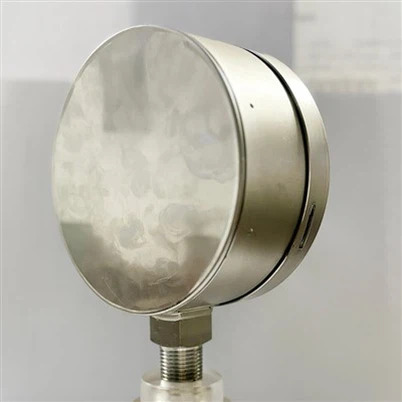
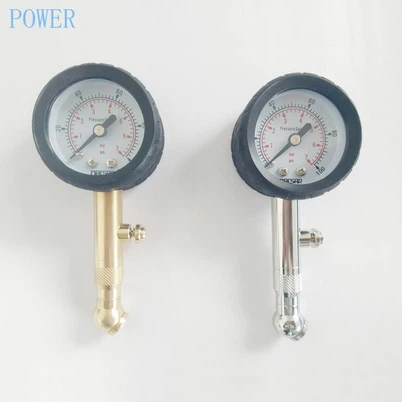
Before discussing maintenance, it's important to understand what pressure gauge adaptors are and how they function. They come in a variety of materials and designs to suit different applications. For instance, SS Material Adaptor is popular due to its high - strength and corrosion - resistance properties. Stainless steel adaptors are often used in harsh environments, such as chemical processing plants or marine applications.
On the other hand, Brass Material Adaptor is favored for its good conductivity, malleability, and relatively lower cost. Brass adaptors are commonly used in general industrial applications where corrosion is not a significant concern.
The Need for Maintenance
The answer to whether pressure gauge adaptors require maintenance is not a simple yes or no. In some cases, minimal to no maintenance may be sufficient, while in others, regular upkeep is essential.


Factors Influencing Maintenance Requirements
- Operating Environment: If the pressure gauge adaptor is operating in a corrosive environment, such as a chemical factory with high concentrations of acid or alkali, or a coastal area with a high salt - water content in the air, it will be more prone to corrosion. Corrosion can damage the adaptor's structure, leading to leaks or inaccurate pressure readings. In such environments, regular inspections and corrosion - prevention measures are necessary.
For example, in a pickling process in a metal - finishing plant, the acidic solutions can gradually erode the material of the adaptor. If not maintained, the adaptor may fail, causing pressure loss in the system and potentially disrupting the production process. - Pressure and Temperature Conditions: High - pressure and high - temperature applications can place stress on the pressure gauge adaptor. Over time, this stress can cause fatigue in the material, leading to cracks or deformation. In systems where the pressure fluctuates frequently, the adaptor may experience additional wear and tear.
For instance, in a steam boiler system, the high pressure and temperature of the steam can cause the adaptor to expand and contract. This repeated expansion and contraction can weaken the adaptor's structure if not properly maintained. - Frequency of Use: Adaptors that are used frequently are more likely to experience wear. The constant connection and disconnection of pressure gauges, as well as the flow of fluids through the adaptor, can cause abrasion and mechanical damage. In a busy manufacturing facility where pressure gauges are regularly calibrated and replaced, the adaptors may require more attention.
Maintenance Practices
If maintenance is deemed necessary, here are some common practices for pressure gauge adaptors:
Inspection
Regular visual inspections are the first step in maintaining pressure gauge adaptors. Look for signs of corrosion, such as rust or discoloration on the surface of the adaptor. Check for any visible cracks or deformities, especially around the threaded areas where the adaptor connects to the pressure gauge or the system.
Inspect the seals and gaskets of the adaptor. A damaged seal can lead to leaks, which can compromise the accuracy of pressure measurements and potentially cause safety hazards. If the seal shows signs of wear, it should be replaced promptly.
Cleaning
Clean the pressure gauge adaptor regularly to remove any dirt, debris, or contaminants that may have accumulated. Use a suitable cleaning solution depending on the material of the adaptor. For stainless steel adaptors, a mild detergent and water can usually suffice. For brass adaptors, avoid using abrasive cleaners that may scratch the surface.
Be careful not to damage the internal components of the adaptor during cleaning. After cleaning, dry the adaptor thoroughly to prevent corrosion.
Lubrication
For adaptors with moving parts or threaded connections, lubrication can reduce friction and prevent excessive wear. Use a lubricant that is compatible with the material of the adaptor and the fluid in the system. For example, in a food - processing industry, a food - grade lubricant should be used to ensure compliance with safety regulations.
Calibration and Testing
Periodically calibrate the pressure gauge adaptor to ensure accurate pressure measurements. This may involve using a calibrated pressure source to compare the readings of the pressure gauge connected through the adaptor. If the readings are inaccurate, the adaptor may need adjustment or replacement.
In addition, perform pressure - testing on the adaptor to check for leaks. This can be done by applying a known pressure to the system and monitoring for any pressure drops over a period of time.
Benefits of Maintenance
Proper maintenance of pressure gauge adaptors offers several benefits:
- Accuracy: Well - maintained adaptors ensure accurate pressure measurements, which are crucial for the safe and efficient operation of industrial systems. In a chemical reactor, for example, accurate pressure readings are necessary to control the reaction process and prevent over - pressurization.
- Safety: Regular maintenance helps to identify and address potential safety hazards, such as leaks or structural failures. By preventing these issues, the risk of accidents, such as explosions or chemical spills, can be significantly reduced.
- Longevity: By taking care of pressure gauge adaptors, their lifespan can be extended. This reduces the need for frequent replacements, saving both time and money in the long run.
Conclusion
In conclusion, while some pressure gauge adaptors may require minimal maintenance, many factors can influence the need for regular upkeep. Operating environment, pressure and temperature conditions, and frequency of use all play a role in determining the maintenance requirements. As a supplier of pressure gauge adaptors, I recommend that customers assess their specific applications and develop a maintenance plan accordingly.
If you're in the market for high - quality pressure gauge adaptors or have any questions about their maintenance, feel free to reach out to us. Our team of experts is ready to assist you in finding the right products for your needs and providing guidance on maintenance best practices.
References
- "Industrial Pressure Gauges: Principles and Applications" by John Doe
- "Materials for Pressure - Measuring Equipment" by Jane Smith