What is the measurement range of a general pressure gauge?
Leave a message

What is the Measurement Range of a General Pressure Gauge?
As a seasoned supplier of general pressure gauges, I've had the privilege of witnessing the diverse applications and requirements of these essential instruments across various industries. One of the most frequently asked questions I encounter is about the measurement range of a general pressure gauge. In this blog post, I'll delve into this topic, exploring the factors that determine the measurement range, typical ranges available, and how to choose the right range for your specific needs.


Factors Determining the Measurement Range
The measurement range of a pressure gauge is primarily determined by the intended application and the operating conditions of the system in which it will be used. Here are some key factors to consider:
- System Pressure Requirements: The first and most obvious factor is the pressure range of the system. You need to select a pressure gauge with a measurement range that can accurately measure the pressure within the system. For example, if you're measuring the pressure in a low-pressure air system, a gauge with a range of 0-10 psi might be sufficient. On the other hand, if you're dealing with high-pressure hydraulic systems, you'll need a gauge with a much higher range, such as 0-5000 psi or more.
- Safety Margin: It's important to leave a safety margin when selecting the measurement range of a pressure gauge. This ensures that the gauge can handle any unexpected pressure spikes or fluctuations without being damaged. A general rule of thumb is to choose a gauge with a range that is at least 20% higher than the maximum expected pressure in the system.
- Accuracy Requirements: The accuracy of a pressure gauge is directly related to its measurement range. Generally, the narrower the measurement range, the higher the accuracy of the gauge. If you require high accuracy in your pressure measurements, you may need to choose a gauge with a more limited measurement range.
- Environmental Conditions: The environmental conditions in which the pressure gauge will be used can also affect its measurement range. For example, extreme temperatures, humidity, and vibration can all impact the performance of the gauge. In such cases, you may need to choose a gauge that is specifically designed to withstand these conditions.
Typical Measurement Ranges
General pressure gauges are available in a wide range of measurement ranges to suit different applications. Here are some common ranges and their typical applications:
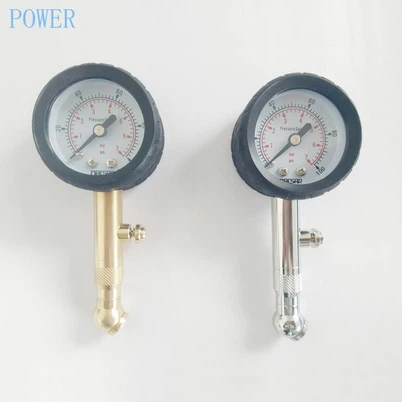
- Low Pressure (0-100 psi): These gauges are commonly used in applications such as air systems, water systems, and pneumatic controls. They are ideal for measuring low-pressure gases and liquids. For example, you can find a Bottom Connection Black Steel Case Pressure Gauge in this range, which is suitable for general-purpose low-pressure applications.
- Medium Pressure (100-1000 psi): Medium-pressure gauges are used in a variety of applications, including hydraulic systems, fuel systems, and industrial processes. They can handle higher pressures than low-pressure gauges and are often used in applications where more precise pressure measurements are required. A Panel Mount Black Steel Case Pressure Gauge in this range can be a great choice for panel-mounted applications.
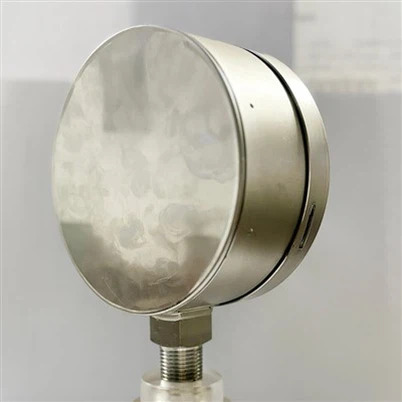
- High Pressure (1000-10,000 psi): High-pressure gauges are designed to measure extremely high pressures, such as those found in hydraulic presses, high-pressure pumps, and oil and gas exploration. They are built to withstand the rigors of high-pressure environments and provide accurate measurements. A Bottom Connection Stainless Steel Case Pressure Gauge in this range is often used in high-pressure applications due to its durability and corrosion resistance.
- Ultra-High Pressure (Above 10,000 psi): Ultra-high-pressure gauges are used in specialized applications where extremely high pressures are involved, such as in research laboratories, aerospace, and defense industries. These gauges are typically more expensive and require special handling and installation.
Choosing the Right Measurement Range
Choosing the right measurement range for your pressure gauge is crucial to ensure accurate and reliable pressure measurements. Here are some steps to help you make the right choice:
- Understand Your Application: Start by understanding the specific requirements of your application. Determine the maximum and minimum pressures that you need to measure, as well as the accuracy and safety requirements.
- Consult with an Expert: If you're unsure about which measurement range to choose, don't hesitate to consult with an expert. As a pressure gauge supplier, I have extensive experience in helping customers select the right gauges for their applications. I can provide you with valuable advice and recommendations based on your specific needs.
- Consider the Future: When selecting a pressure gauge, it's also important to consider the future needs of your application. If you anticipate any changes in the pressure range or operating conditions in the future, it may be wise to choose a gauge with a slightly higher measurement range to accommodate these changes.
Conclusion
In conclusion, the measurement range of a general pressure gauge is an important factor to consider when selecting a gauge for your application. By understanding the factors that determine the measurement range, the typical ranges available, and how to choose the right range, you can ensure that you select a pressure gauge that provides accurate and reliable pressure measurements.
If you're in the market for a general pressure gauge and need help choosing the right measurement range or have any other questions, please don't hesitate to contact us. We're here to assist you in finding the perfect pressure gauge for your needs.
References
- ASME B40.100 - Pressure Gauges and Gauge Attachments
- ISO 5167 - Measurement of fluid flow by means of pressure differential devices inserted in circular cross-section conduits running full