What is the importance of a medical pressure gauge in anesthesia machines?
Leave a message

Hey there, folks! As a supplier of medical pressure gauges, I've seen firsthand how crucial these little devices are, especially when it comes to anesthesia machines. In this blog, I'm gonna break down why a medical pressure gauge is so important in anesthesia machines and how it impacts patient safety and the overall anesthesia process.
The Basics of Anesthesia Machines and Pressure Gauges
Let's start with the basics. Anesthesia machines are complex pieces of equipment that deliver a precise mixture of anesthetic gases and oxygen to patients during surgery. They have to work flawlessly to keep patients unconscious, pain - free, and breathing properly. And that's where medical pressure gauges come in.
A medical pressure gauge is like the eyes of an anesthesia machine. It measures the pressure of gases at different points within the machine. This includes the pressure of oxygen, nitrous oxide, and other anesthetic gases. Without accurate pressure readings, it'd be impossible to know if the gases are flowing at the right rates and pressures.
Ensuring Patient Safety
The most important thing in any medical procedure, especially one involving anesthesia, is patient safety. Medical pressure gauges play a huge role in this.
First off, they help prevent over - or under - pressurization of gases. If the pressure of anesthetic gases is too high, it can cause serious problems for the patient, like barotrauma (damage to body tissues due to pressure changes). On the other hand, if the pressure is too low, the patient may not receive enough anesthesia, which could lead to them waking up during surgery. That's a terrifying thought!
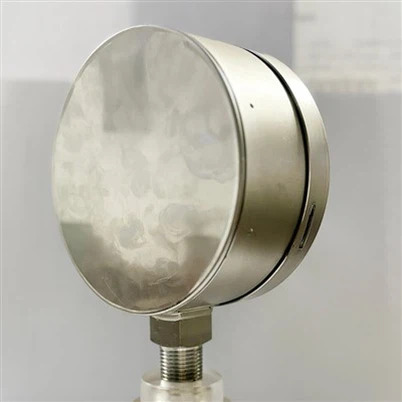
For example, let's say we're using an SS Connector Medical Presure Gauge Back Connection. This gauge is designed to accurately measure the pressure of gases in the anesthesia machine's back - connected systems. If it detects a sudden increase in pressure, the anesthesia provider can take immediate action to adjust the flow of gases and prevent any harm to the patient.
Maintaining the Right Gas Mixture
Another key aspect is maintaining the correct gas mixture. Anesthesia is a delicate balance of different gases. Oxygen is essential for the patient's survival, while anesthetic gases are used to induce and maintain unconsciousness.
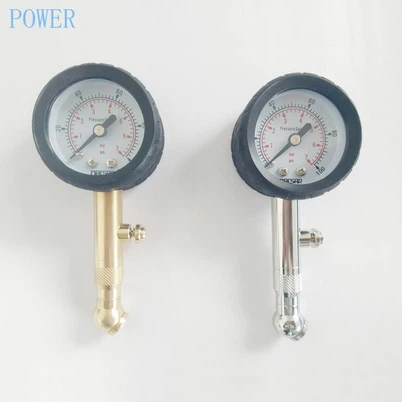
Medical pressure gauges help in achieving this balance. They monitor the pressure of each gas separately, allowing the anesthesia provider to adjust the flow rates accordingly. For instance, if the pressure of nitrous oxide is too high compared to oxygen, it could lead to hypoxia (a lack of oxygen in the body). By using a reliable pressure gauge, like the Brass Connector Medical Presure Gauge Bottom Connection, the provider can make sure that the gas mixture is always within the safe and effective range.
Monitoring the Function of the Anesthesia Machine
Medical pressure gauges also serve as a diagnostic tool for the anesthesia machine itself. If there's a problem with the machine, such as a blockage in the gas delivery system or a malfunctioning valve, the pressure readings on the gauge will change.


Let's say the pressure suddenly drops to an abnormal level. This could indicate a leak in the system. The anesthesia provider can then quickly identify the issue and fix it before it affects the patient. Using a Plastic Connector Medical Presure Gauge Bottom Connection can help in such situations, as it provides real - time pressure readings that can be used to troubleshoot the machine.
Quality and Reliability of Medical Pressure Gauges
When it comes to medical pressure gauges for anesthesia machines, quality and reliability are non - negotiable. These gauges need to be accurate, durable, and easy to read.
As a supplier, I make sure that all our pressure gauges meet the highest standards. We use high - quality materials, like stainless steel, brass, and plastic, depending on the specific requirements of the gauge. Our gauges are also calibrated regularly to ensure accurate readings.
In addition, we offer a wide range of pressure gauges to suit different anesthesia machines and applications. Whether you need a back - connected gauge, a bottom - connected gauge, or a gauge with a specific connector type, we've got you covered.
Why Choose Our Medical Pressure Gauges
There are several reasons why you should choose our medical pressure gauges for your anesthesia machines.
First of all, our gauges are designed with the latest technology. They provide accurate and reliable pressure readings, which is essential for patient safety. Second, we offer excellent customer service. If you have any questions or need help with installation or maintenance, our team of experts is always ready to assist you.
Finally, we offer competitive pricing. We understand that hospitals and medical facilities have budgets to meet, and we want to make sure that you can get high - quality pressure gauges at an affordable price.
Conclusion
In conclusion, medical pressure gauges are an indispensable part of anesthesia machines. They are crucial for ensuring patient safety, maintaining the right gas mixture, and monitoring the function of the machine. As a supplier, I'm proud to offer high - quality pressure gauges that meet the needs of the medical industry.
If you're in the market for medical pressure gauges for your anesthesia machines, I encourage you to get in touch with us. We'd be happy to discuss your requirements and help you find the right gauges for your needs. Let's work together to ensure the safety and well - being of your patients.
References
- Miller, Ronald D., et al. Miller's Anesthesia. Elsevier, 2020.
- Stoelting, Robert K., and Andrew H. Hillier. Pharmacology and Physiology in Anesthetic Practice. Lippincott Williams & Wilkins, 2018.