What are the installation position requirements for a liquid filled gauge?
Leave a message

Liquid filled gauges are essential instruments in various industrial applications, providing accurate pressure measurements in challenging environments. As a leading supplier of liquid filled gauges, I understand the importance of proper installation to ensure their optimal performance and longevity. In this blog post, I will discuss the installation position requirements for liquid filled gauges and why they matter.
Understanding Liquid Filled Gauges
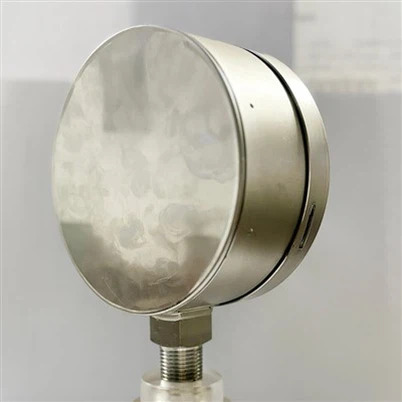
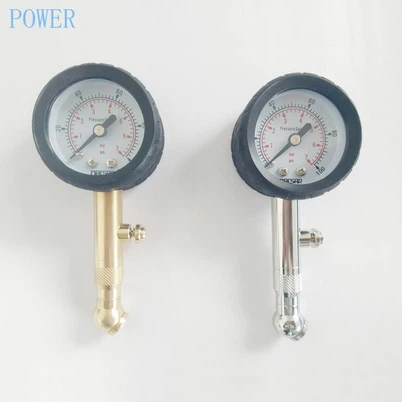
Before delving into the installation position requirements, it's crucial to understand what liquid filled gauges are and how they work. Liquid filled gauges are pressure measuring devices filled with a liquid, typically glycerin or silicone oil. This liquid serves several purposes: it dampens vibrations and pulsations, reduces pointer flutter, and protects the internal components from corrosion and damage.
The liquid also helps to maintain a stable environment inside the gauge, ensuring accurate and reliable pressure readings. This makes liquid filled gauges ideal for use in applications where vibrations, pulsations, or harsh environmental conditions are present, such as in pumps, compressors, hydraulic systems, and industrial machinery.
Installation Position Requirements
The installation position of a liquid filled gauge can significantly impact its performance and accuracy. Here are some key installation position requirements to consider:
1. Mounting Orientation
The mounting orientation of a liquid filled gauge is crucial for proper operation. Most liquid filled gauges are designed to be mounted in a vertical position, with the dial facing upwards. This orientation ensures that the liquid inside the gauge remains evenly distributed and does not accumulate in one area, which could affect the accuracy of the pressure readings.
However, some liquid filled gauges can be mounted in a horizontal or inclined position, depending on the design and application. In these cases, it's important to ensure that the gauge is properly calibrated and adjusted to account for the change in orientation.
2. Level Installation
A liquid filled gauge should be installed in a level position to ensure accurate pressure readings. If the gauge is installed at an angle, the liquid inside the gauge may not be evenly distributed, which can cause the pointer to read incorrectly. To ensure a level installation, use a spirit level or other leveling tool to check the position of the gauge before mounting it.
3. Avoiding Vibration and Shock
Liquid filled gauges are designed to dampen vibrations and pulsations, but excessive vibration and shock can still damage the gauge and affect its accuracy. To minimize the impact of vibration and shock, install the gauge in a location that is away from sources of vibration, such as motors, pumps, and compressors. If it's not possible to avoid these sources of vibration, consider using a vibration isolation mount or other vibration damping device to protect the gauge.
4. Accessibility for Maintenance
The installation position of a liquid filled gauge should also allow for easy access for maintenance and calibration. Make sure that the gauge is installed in a location that is easily accessible and that there is enough space around the gauge to perform maintenance tasks, such as checking the liquid level, cleaning the dial, and replacing the battery (if applicable).
5. Protection from Environmental Factors
Liquid filled gauges are designed to withstand harsh environmental conditions, but they still need to be protected from extreme temperatures, humidity, and other environmental factors. Install the gauge in a location that is protected from direct sunlight, rain, snow, and other weather conditions. If the gauge is installed in an outdoor or industrial environment, consider using a protective cover or enclosure to shield the gauge from the elements.
Types of Liquid Filled Gauges and Their Installation Requirements
There are several types of liquid filled gauges available, each with its own installation requirements. Here are some common types of liquid filled gauges and their installation considerations:
1. Panel Mount Glycerin Filled Pressure Gauge with Clamp
A Panel Mount Glycerin Filled Pressure Gauge with Clamp is designed to be mounted on a panel or control board using a clamp. This type of gauge is typically used in industrial applications where space is limited and a compact design is required.
When installing a panel mount glycerin filled pressure gauge with a clamp, make sure that the panel is flat and smooth and that the clamp is tightened securely to prevent the gauge from moving or vibrating. Also, ensure that the gauge is installed in a vertical position and that the dial is facing upwards for accurate pressure readings.
2. Panel Mount Glycerin Filled Pressure Gauge with Flange
A Panel Mount Glycerin Filled Pressure Gauge with Flange is similar to a panel mount glycerin filled pressure gauge with a clamp, but it uses a flange instead of a clamp to mount the gauge on the panel. This type of gauge is typically used in applications where a more secure and permanent installation is required.
When installing a panel mount glycerin filled pressure gauge with a flange, make sure that the panel is drilled and tapped to the correct size and that the flange is bolted securely to the panel. Also, ensure that the gauge is installed in a vertical position and that the dial is facing upwards for accurate pressure readings.
3. Back Connection Glycerin Filled Pressure Gauge
A Back Connection Glycerin Filled Pressure Gauge is designed to be mounted on a pipe or other equipment using a back connection. This type of gauge is typically used in applications where space is limited and a direct connection to the pressure source is required.
When installing a back connection glycerin filled pressure gauge, make sure that the pipe or equipment is properly threaded and that the gauge is tightened securely to prevent leaks. Also, ensure that the gauge is installed in a vertical position and that the dial is facing upwards for accurate pressure readings.
Importance of Proper Installation
Proper installation of a liquid filled gauge is essential for ensuring its optimal performance and accuracy. Here are some reasons why proper installation is important:
1. Accurate Pressure Readings
A liquid filled gauge that is installed correctly will provide accurate and reliable pressure readings. This is crucial for ensuring the safe and efficient operation of industrial equipment and processes.
2. Longevity and Durability
Proper installation can help to extend the lifespan of a liquid filled gauge and prevent premature failure. By following the installation position requirements and using the correct mounting hardware, you can ensure that the gauge is protected from damage and wear and tear.
3. Compliance with Standards and Regulations
Many industries have specific standards and regulations regarding the installation and use of pressure gauges. By installing a liquid filled gauge correctly, you can ensure that you are in compliance with these standards and regulations, which can help to avoid costly fines and legal issues.


Conclusion
The installation position of a liquid filled gauge is a critical factor in its performance and accuracy. By following the installation position requirements outlined in this blog post, you can ensure that your liquid filled gauge is installed correctly and provides accurate and reliable pressure readings.
As a leading supplier of liquid filled gauges, we offer a wide range of high-quality gauges that are designed to meet the needs of various industrial applications. If you have any questions or need assistance with the installation of a liquid filled gauge, please feel free to contact us. We are here to help you find the right gauge for your application and ensure that it is installed correctly.
If you're interested in purchasing liquid filled gauges for your industrial applications, we invite you to contact us to discuss your specific requirements and explore our product offerings. Our team of experts is ready to assist you in finding the perfect solution for your needs.
References
- ASME B40.100 - Pressure Gauges and Gauge Attachments
- ISO 5167 - Measurement of fluid flow by means of pressure differential devices inserted in circular cross-section conduits running full
- Manufacturer's installation and operation manuals for liquid filled gauges