How to store a liquid filled gauge?
Leave a message

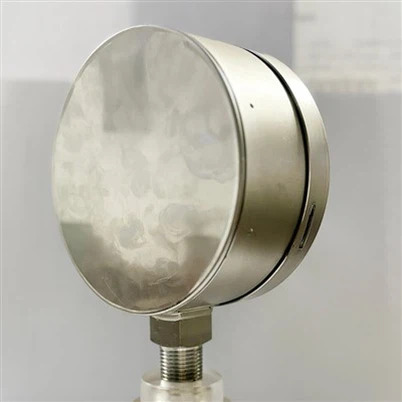
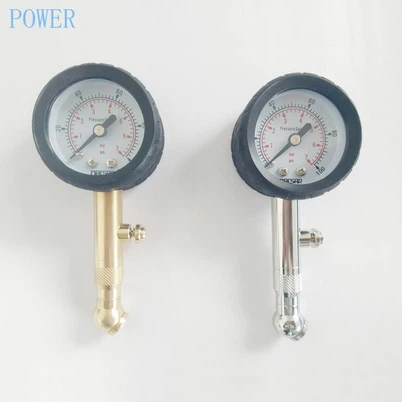
Hey there! As a supplier of liquid filled gauges, I've seen firsthand how important it is to store these instruments properly. Liquid filled gauges, like the Lower Back Connection Glycerin Filled Pressure Gauge, Panel Mount Glycerin Filled Pressure Gauge with Clamp, and Bottom Connection Glycerin Filled Pressure Gauge, are designed to provide accurate pressure readings in various industrial applications. But if they're not stored correctly, their performance can be affected, and they might even get damaged. So, let's dive into how to store these gauges the right way.
Understanding Liquid Filled Gauges
First off, let's quickly go over what liquid filled gauges are. These gauges are filled with a liquid, usually glycerin or silicone, which helps dampen the effects of vibration, pulsation, and mechanical shock. This makes them ideal for use in environments where there's a lot of movement or pressure fluctuations. The liquid also helps to lubricate the internal components of the gauge, reducing wear and tear and extending its lifespan.
Why Proper Storage Matters
Storing liquid filled gauges properly is crucial for several reasons. For starters, it helps maintain their accuracy. If a gauge is exposed to extreme temperatures, humidity, or other harsh conditions during storage, it can cause the liquid inside to expand or contract, which can affect the gauge's calibration. This means that when you go to use the gauge, it might not give you an accurate reading, which could lead to problems in your industrial processes.
Proper storage also helps prevent damage to the gauge. The glass face of the gauge can be easily scratched or cracked if it's not stored carefully, and the internal components can be damaged by corrosion or other environmental factors. By storing the gauges correctly, you can ensure that they're in good working condition when you need them.


Ideal Storage Conditions
Now, let's talk about the ideal storage conditions for liquid filled gauges. The first thing to consider is temperature. Most liquid filled gauges are designed to operate within a certain temperature range, and the same goes for storage. Generally, it's best to store the gauges in a cool, dry place with a temperature between 10°C and 30°C (50°F and 86°F). Avoid storing them in areas where the temperature can fluctuate widely, like near heating or cooling vents, or in uninsulated storage sheds.
Humidity is another important factor. High humidity can cause corrosion on the gauge's metal components, which can damage the gauge and affect its performance. Aim to keep the humidity level in the storage area below 60%. If you're storing the gauges in a particularly humid environment, you might want to consider using a dehumidifier to keep the air dry.
It's also important to protect the gauges from direct sunlight and other sources of UV radiation. UV rays can cause the liquid inside the gauge to break down over time, which can affect its performance. Store the gauges in a dark place or use a protective cover to shield them from the sun.
Storage Containers
When it comes to storing liquid filled gauges, the type of container you use is important. You want to choose a container that provides adequate protection for the gauge. A hard plastic case or a wooden box with a foam lining is a good option. The foam will help cushion the gauge and prevent it from moving around during storage, which can reduce the risk of damage.
Make sure the container is clean and dry before you put the gauge inside. Any dirt or moisture in the container can transfer to the gauge and cause problems. You might also want to consider using a desiccant packet inside the container to absorb any moisture that might get in.
Handling During Storage
How you handle the gauges during storage is also important. When you're putting the gauges into storage, be gentle. Avoid dropping or banging the gauges, as this can damage the internal components. Make sure the gauges are placed in the container in an upright position, as this will help prevent the liquid from leaking out.
If you need to move the gauges around in storage, do it carefully. Use two hands to hold the gauge and avoid touching the glass face. If you're stacking the gauges, make sure they're stacked evenly and that there's enough space between them to prevent any damage.
Regular Inspections
Even if you're storing the gauges in the ideal conditions, it's still a good idea to do regular inspections. Check the gauges for any signs of damage, such as cracks in the glass, leaks in the liquid, or corrosion on the metal components. If you notice any problems, it's important to address them right away. You might need to have the gauge repaired or replaced, depending on the extent of the damage.
Long-Term Storage
If you're planning to store the gauges for a long period of time, there are a few additional steps you can take. First, make sure the gauges are clean before you store them. Wipe the outside of the gauge with a soft, dry cloth to remove any dirt or debris. You might also want to apply a thin layer of protective oil to the metal components to prevent corrosion.
For long-term storage, it's a good idea to seal the gauges in a plastic bag to protect them from dust and moisture. You can also add a desiccant packet to the bag to absorb any moisture that might get in. Store the sealed gauges in a cool, dry place, and make sure to check on them periodically to make sure they're still in good condition.
Conclusion
Storing liquid filled gauges properly is essential for maintaining their accuracy and preventing damage. By following the tips I've outlined in this blog post, you can ensure that your gauges are in good working condition when you need them. Whether you're storing them for a short period or for a long time, it's important to pay attention to the storage conditions and handle the gauges carefully.
If you're in the market for liquid filled gauges or have any questions about storing them, don't hesitate to reach out. We're here to help you find the right gauges for your needs and ensure that you're storing them correctly. Contact us today to start a conversation about your requirements and let's work together to keep your industrial processes running smoothly.
References
- "Industrial Pressure Gauges: Principles and Applications" by John Doe
- "Maintenance and Storage of Measuring Instruments" by Jane Smith