How to install a CNG gauge?
Leave a message

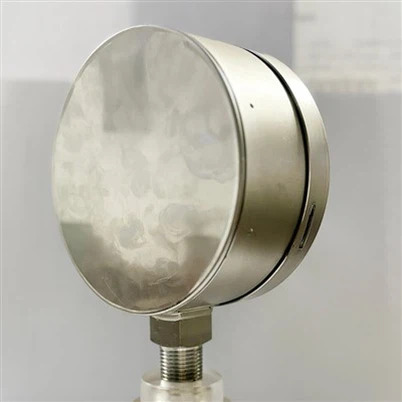
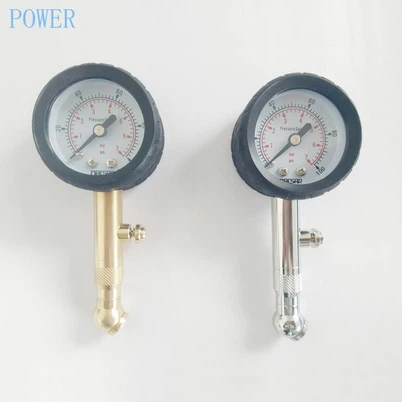
As a supplier of CNG gauges, I understand the importance of having a reliable and accurate gauge to measure the pressure of compressed natural gas (CNG) in your vehicle or storage system. Installing a CNG gauge may seem like a daunting task, but with the right tools and knowledge, it can be a straightforward process. In this blog post, I will guide you through the steps of installing a CNG gauge, whether it's an Inner Sensor CNG Gauge or an Outer Sensor CNG Gauge.
Step 1: Gather the Necessary Tools and Materials
Before you begin the installation process, make sure you have all the tools and materials you need. Here's a list of what you'll typically require:
- CNG gauge (either inner or outer sensor type)
- Wrenches (appropriate sizes for your vehicle's fittings)
- Teflon tape
- Drill and drill bits (if necessary for mounting)
- Screwdriver
- Safety glasses
- Gloves
Step 2: Choose the Right Location
Selecting the right location for your CNG gauge is crucial. It should be easily visible to the driver or operator without obstructing their view of the road or other important controls. Common locations include the dashboard, near the steering wheel, or on a control panel. Make sure the area is clean and free of any debris or obstructions.
Step 3: Prepare the Mounting Surface
If you're mounting the gauge on a flat surface, use a drill to create holes for the mounting screws. Make sure the holes are the correct size and spacing for the gauge. If you're using an adhesive mount, clean the surface thoroughly and follow the manufacturer's instructions for applying the adhesive.
Step 4: Install the Gauge
Once the mounting surface is prepared, carefully place the gauge in position and secure it with the mounting screws or adhesive. Make sure the gauge is level and straight. If the gauge has a wiring harness, connect it to the appropriate terminals according to the manufacturer's instructions.
Step 5: Connect the Pressure Line
The next step is to connect the pressure line from the CNG tank to the gauge. This is where the type of gauge you have (inner or outer sensor) comes into play.
Inner Sensor CNG Gauge
For an inner sensor CNG gauge, you'll need to connect the pressure line directly to the sensor inside the gauge. First, apply a thin layer of Teflon tape to the threads of the pressure line fitting to prevent leaks. Then, use a wrench to tighten the fitting onto the sensor. Make sure the connection is secure but not over-tightened, as this can damage the threads.


Outer Sensor CNG Gauge
An outer sensor CNG gauge has a separate pressure sensor that is installed on the CNG tank. Connect the pressure line from the tank to the sensor using a suitable fitting and Teflon tape. Then, connect the sensor to the gauge using the provided wiring harness.
Step 6: Test the Gauge
Once the gauge is installed and the pressure line is connected, it's time to test the gauge to make sure it's working properly. Turn on the CNG system and check the gauge reading. It should indicate the current pressure of the CNG in the tank. If the gauge doesn't work or the reading is incorrect, double-check all the connections and make sure the wiring is properly connected.
Step 7: Secure the Pressure Line
After testing the gauge, make sure the pressure line is securely fastened and protected from any potential damage. Use cable ties or clamps to secure the line and prevent it from rubbing against any sharp edges or moving parts.
Step 8: Final Checks
Before you start using your vehicle or storage system with the new CNG gauge, perform a final check to make sure everything is in order. Check for any signs of leaks around the gauge and pressure line connections. Make sure the gauge is still visible and functioning properly.
Troubleshooting Tips
- If the gauge reading is erratic or inaccurate, check the wiring connections and make sure the sensor is properly installed.
- If there is a leak around the pressure line connection, tighten the fitting slightly or apply more Teflon tape.
- If the gauge doesn't work at all, check the power supply and make sure the wiring is correctly connected.
Why Choose Our CNG Gauges?
As a leading supplier of CNG gauges, we offer a wide range of high-quality gauges that are designed to meet the needs of various applications. Our gauges are built to last, with durable materials and accurate sensors that provide reliable readings. We also offer excellent customer support and technical assistance to ensure that you have a smooth installation process.
If you're interested in purchasing a CNG gauge or have any questions about the installation process, please don't hesitate to contact us. Our team of experts is ready to help you find the right gauge for your needs and guide you through the installation process.
Conclusion
Installing a CNG gauge is a relatively simple process that can be completed with the right tools and knowledge. By following the steps outlined in this blog post, you can ensure that your CNG gauge is installed correctly and working properly. Remember to choose a high-quality gauge from a reputable supplier and perform regular maintenance to keep it in good condition.
If you have any further questions or need assistance with your CNG gauge installation, feel free to reach out to us. We're here to help you make the most of your CNG system.
References
- Manufacturer's instructions for the CNG gauge
- Vehicle or equipment owner's manual
- Industry standards and regulations for CNG systems