How do I troubleshoot a car tire gauge that won't give a reading?
Leave a message

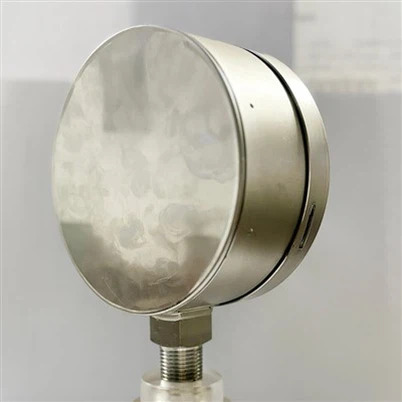
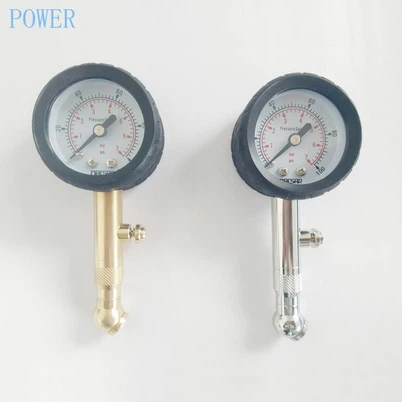
Troubleshooting a car tire gauge that won't give a reading can be a frustrating experience, but with the right approach, you can quickly identify and resolve the issue. As a supplier of high-quality car tire gauges, including the 40mm Dial Tire Gauge and 63mm Dial Tire Gauge, I've encountered various problems with these tools. In this blog post, I'll share some common causes and solutions to help you get your tire gauge working again.
![YROSPGKZ`9)@H}IX34_]IBU_tmb(001)](/uploads/42773/40mm-dial-tire-gauge202410310357512a88a.jpg)
Common Causes of a Non - Reading Tire Gauge
1. Blocked Nozzle
One of the most common reasons a tire gauge won't give a reading is a blocked nozzle. Over time, dirt, debris, or valve core fragments can accumulate in the nozzle, preventing air from flowing through and reaching the gauge's internal mechanisms. This can happen if the gauge is used in dirty environments or if the valve stem on the tire is not clean.
2. Damaged Internal Components
The internal components of a tire gauge, such as the spring, piston, or diaphragm, can become damaged over time. This can be due to normal wear and tear, improper use, or exposure to extreme temperatures. A damaged component may prevent the gauge from accurately measuring the air pressure.
3. Incorrect Connection
If the tire gauge is not properly connected to the valve stem, it may not be able to receive an accurate air pressure reading. This can happen if the gauge is not pushed firmly onto the valve stem or if the valve stem is damaged or bent.
4. Calibration Issues
Tire gauges need to be calibrated periodically to ensure accurate readings. If a gauge has not been calibrated in a long time or has been dropped or mishandled, it may lose its calibration, resulting in inaccurate or no readings.
Troubleshooting Steps
Step 1: Check the Nozzle
The first step in troubleshooting a non - reading tire gauge is to check the nozzle for blockages. You can do this by visually inspecting the nozzle for any visible dirt or debris. If you see any, you can try to clean the nozzle using a small brush or compressed air. Make sure to hold the gauge away from your face when using compressed air to avoid getting debris in your eyes.
If the blockage is stubborn, you can soak the nozzle in a mild cleaning solution for a few minutes. After soaking, rinse the nozzle thoroughly with clean water and dry it completely before using the gauge again.
![XHNQPYBO(4ZJ]`GQ5}YYD49_tmb(001)](/uploads/42773/63mm-dial-tire-gauge20241031040223a9fa0.jpg)
Step 2: Inspect the Internal Components
If the nozzle is clean and the gauge still isn't giving a reading, the next step is to inspect the internal components. This may require disassembling the gauge, which should be done carefully. Refer to the manufacturer's instructions if available.
Look for any signs of damage, such as a broken spring, a torn diaphragm, or a stuck piston. If you find a damaged component, you may need to replace it. As a tire gauge supplier, we offer replacement parts for many of our gauges. Contact us if you need assistance in finding the right replacement part for your gauge.
Step 3: Ensure Correct Connection
Make sure the tire gauge is properly connected to the valve stem. Push the gauge firmly onto the valve stem until you hear a hissing sound, indicating that air is flowing into the gauge. Hold the gauge in place for a few seconds to allow the pressure to stabilize.
If the valve stem is damaged or bent, it may need to be replaced. A bent valve stem can prevent a proper seal between the gauge and the tire, resulting in an inaccurate or no reading.
Step 4: Check the Calibration
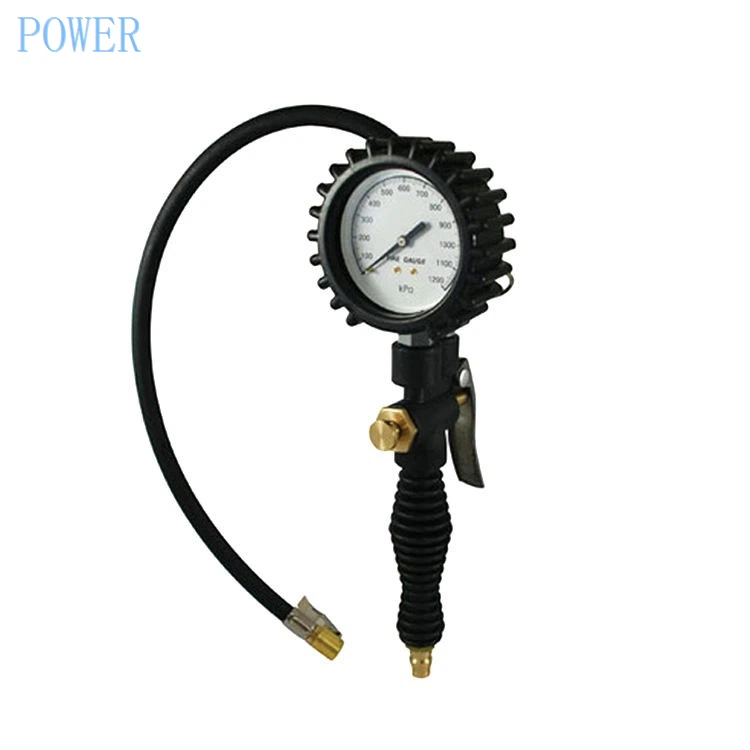
If all the above steps have been completed and the gauge still isn't working correctly, it may be a calibration issue. You can check the calibration of the gauge using a known - accurate reference gauge. Compare the readings of the two gauges. If there is a significant difference, the gauge may need to be recalibrated.
Some gauges can be recalibrated at home, while others may need to be sent back to the manufacturer or a professional calibration service. As a supplier, we can provide guidance on whether your gauge can be recalibrated and how to do it.
Preventive Maintenance
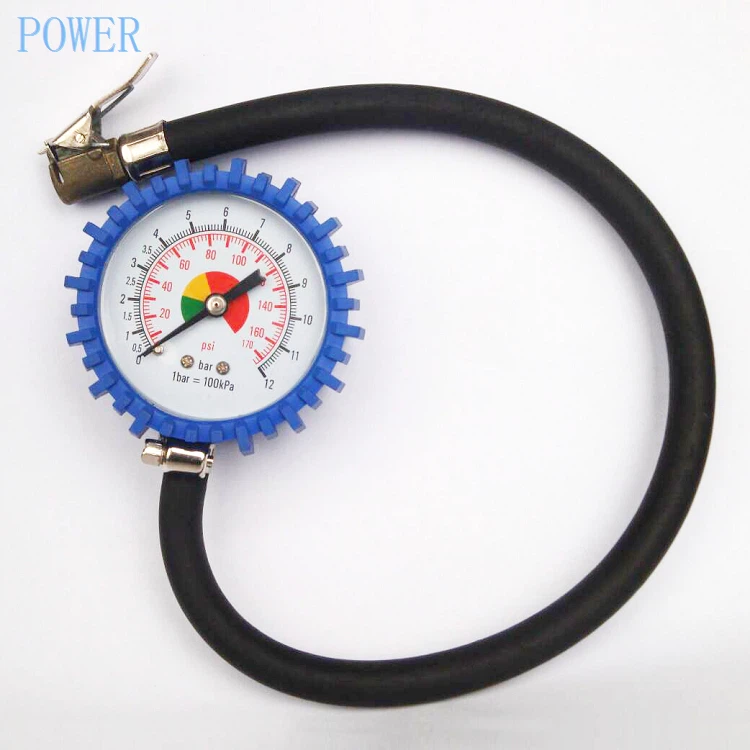
To avoid issues with your tire gauge in the future, it's important to perform regular preventive maintenance. Here are some tips:
- Keep it Clean: After each use, wipe the gauge clean with a soft cloth to remove any dirt or debris. Store the gauge in a clean, dry place.
- Handle with Care: Avoid dropping or mishandling the gauge, as this can damage the internal components.
- Calibrate Regularly: Follow the manufacturer's recommendations for calibration intervals. Regular calibration ensures that your gauge provides accurate readings.
Conclusion
A non - reading car tire gauge can be a headache, but by following the troubleshooting steps outlined above, you can often identify and resolve the issue. As a supplier of high - quality car tire gauges, including the 40mm Dial Tire Gauge and 63mm Dial Tire Gauge, we are committed to providing you with the best products and support.
If you're having trouble with your tire gauge or need a new one, don't hesitate to contact us. We can help you find the right gauge for your needs and provide assistance with troubleshooting and maintenance. Whether you're a professional mechanic or a DIY enthusiast, we have the products and expertise to keep your tires properly inflated.
References
- Automotive Tire Pressure Gauge Standards and Best Practices. Society of Automotive Engineers (SAE).
- Tire Maintenance and Safety Guidelines. National Highway Traffic Safety Administration (NHTSA).