Can a liquid filled gauge be used outdoors?
Leave a message

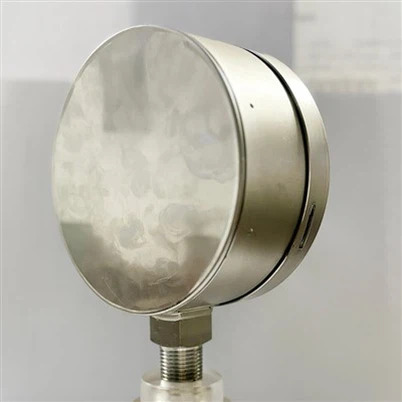
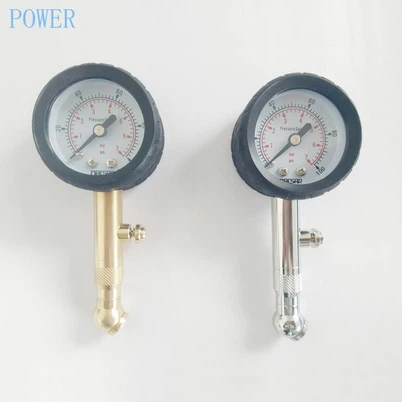
When it comes to the question of whether a liquid filled gauge can be used outdoors, there are several factors to consider. As a supplier of liquid filled gauges, I have encountered this query numerous times from customers. In this blog, I will delve into the details to provide you with a comprehensive understanding of the viability of using liquid filled gauges in outdoor settings.
Understanding Liquid Filled Gauges
Liquid filled gauges are pressure measuring instruments that are filled with a liquid, typically glycerin or silicone. The liquid serves multiple purposes. Firstly, it dampens the effects of mechanical vibration and pulsation. In industrial environments where machinery operates, vibrations can cause the needle of a gauge to flutter, making it difficult to obtain an accurate reading. The liquid inside the gauge acts as a shock absorber, stabilizing the needle and providing a clear and steady reading.
Secondly, the liquid helps to lubricate the moving parts of the gauge, reducing wear and tear and extending the lifespan of the instrument. This is especially important in applications where the gauge is subject to frequent pressure changes.
Advantages of Using Liquid Filled Gauges Outdoors
Vibration and Pulsation Resistance
Outdoor environments can be subject to various sources of vibration. For example, in construction sites, heavy machinery such as excavators and bulldozers generate significant vibrations. In oil and gas fields, pipelines may experience pulsations due to the flow of fluids. Liquid filled gauges are well - suited to these conditions as they can effectively dampen the vibrations and pulsations, ensuring accurate pressure readings.
Protection Against Moisture and Dust
Many outdoor locations are exposed to moisture in the form of rain, snow, or humidity, as well as dust and dirt. Liquid filled gauges are often designed with a sealed construction. The liquid inside the gauge not only protects the internal components from the ingress of moisture but also acts as a barrier against dust particles. This helps to prevent corrosion and damage to the gauge, which can occur when moisture and dust come into contact with the sensitive internal parts.
Challenges of Using Liquid Filled Gauges Outdoors
Temperature Extremes
One of the major challenges of using liquid filled gauges outdoors is the wide range of temperatures that they may be exposed to. Extreme cold can cause the liquid inside the gauge to thicken or even freeze, which can affect the movement of the needle and lead to inaccurate readings. On the other hand, high temperatures can cause the liquid to expand, increasing the pressure inside the gauge and potentially damaging the seals or other components.
To mitigate these issues, different types of liquids can be used depending on the expected temperature range. For example, silicone - filled gauges are more suitable for low - temperature applications as silicone has a lower freezing point compared to glycerin.
Sunlight and UV Exposure
Prolonged exposure to sunlight and ultraviolet (UV) radiation can also have a negative impact on liquid filled gauges. UV rays can cause the materials used in the gauge, such as the housing and the seals, to degrade over time. This can lead to leaks or a loss of the gauge's accuracy. To address this, some gauges are designed with UV - resistant materials or coatings to protect them from the harmful effects of sunlight.
Types of Liquid Filled Gauges Suitable for Outdoor Use
Bottom Connection Glycerin Filled Pressure Gauge
The Bottom Connection Glycerin Filled Pressure Gauge is a popular choice for outdoor applications. It has a bottom connection, which makes it easy to install in various piping systems. The glycerin filling provides good vibration and pulsation dampening, and it can withstand a moderate range of temperatures. This type of gauge is commonly used in industrial plants, water treatment facilities, and other outdoor settings where accurate pressure measurement is required.


Lower Back Connection Glycerin Filled Pressure Gauge
The Lower Back Connection Glycerin Filled Pressure Gauge is another option for outdoor use. Its lower back connection allows for a more flexible installation, especially in tight spaces. Similar to the bottom connection gauge, it is filled with glycerin to provide reliable performance in the presence of vibrations and pulsations. This gauge is often used in automotive, marine, and other outdoor industries.
Panel Mount Glycerin Filled Pressure Gauge with Flange
The Panel Mount Glycerin Filled Pressure Gauge with Flange is designed for mounting on panels or control boards. It is suitable for outdoor applications where the gauge needs to be visible and accessible for monitoring. The flange provides a secure mounting, and the glycerin filling ensures accurate and stable pressure readings in outdoor environments.
Considerations for Outdoor Installation
Mounting Location
When installing a liquid filled gauge outdoors, it is important to choose the right mounting location. The gauge should be installed in a place where it is protected from direct exposure to extreme weather conditions, such as strong winds, heavy rain, or direct sunlight. It should also be easily accessible for maintenance and inspection.
Protection Accessories
In some cases, additional protection accessories may be required. For example, a sunshade can be installed to protect the gauge from UV radiation, and a rain cover can be used to prevent water from entering the gauge. These accessories can help to extend the lifespan of the gauge and ensure its reliable performance in outdoor environments.
Conclusion
In conclusion, liquid filled gauges can be used outdoors, but it is essential to carefully consider the specific environmental conditions. While they offer many advantages such as vibration resistance and protection against moisture and dust, challenges such as temperature extremes and UV exposure need to be addressed. By choosing the right type of liquid filled gauge and taking appropriate installation and protection measures, you can ensure accurate and reliable pressure measurement in outdoor applications.
If you are in need of liquid filled gauges for your outdoor projects, we are here to assist you. Our wide range of products, including the Bottom Connection Glycerin Filled Pressure Gauge, Lower Back Connection Glycerin Filled Pressure Gauge, and Panel Mount Glycerin Filled Pressure Gauge with Flange, are designed to meet the diverse needs of outdoor applications. Contact us today to discuss your requirements and explore the best solutions for your projects.
References
- "Pressure Gauge Handbook" by Instrument Society of America
- "Industrial Instrumentation and Control" by John C. Patton
- Technical documentation from liquid filled gauge manufacturers