Are diaphragm pressure gauges easy to install?
Leave a message

Are diaphragm pressure gauges easy to install?
As a supplier of diaphragm pressure gauges, I am often asked about the ease of installation of these instruments. Diaphragm pressure gauges are widely used in various industries to measure the pressure of liquids, gases, and steam. They are known for their accuracy, reliability, and durability. In this blog post, I will discuss the installation process of diaphragm pressure gauges and provide some tips to make the installation easier.
Understanding Diaphragm Pressure Gauges
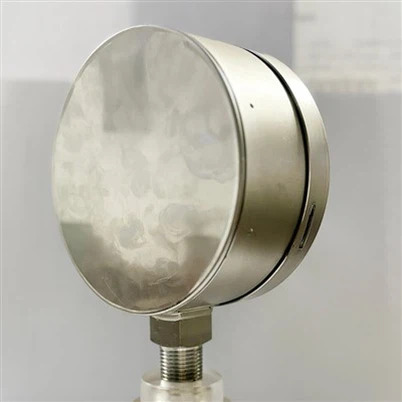
Before we dive into the installation process, let's first understand what diaphragm pressure gauges are and how they work. A diaphragm pressure gauge consists of a diaphragm, a pressure chamber, a movement mechanism, and a dial. The diaphragm is a flexible membrane that separates the pressure chamber from the process medium. When pressure is applied to the diaphragm, it deflects, and this deflection is transmitted to the movement mechanism, which then moves the pointer on the dial to indicate the pressure.
There are different types of diaphragm pressure gauges available in the market, each designed for specific applications. Some of the common types include Low Pressure Diaphragm Pressure Gauge, Double Flange Type Diaphragm Pressure Gauge, and Sanitary Type Diaphragm Pressure Gauge.


The Installation Process
The installation of a diaphragm pressure gauge can be divided into several steps. Here is a general guide on how to install a diaphragm pressure gauge:
Step 1: Select the Right Location
The first step in installing a diaphragm pressure gauge is to select the right location. The gauge should be installed in a place where it is easily accessible for reading and maintenance. It should also be protected from extreme temperatures, vibrations, and mechanical damage. Additionally, the location should be free from any sources of interference that could affect the accuracy of the gauge.
Step 2: Prepare the Mounting Surface
Once you have selected the location, you need to prepare the mounting surface. The surface should be clean, flat, and free from any debris or rust. If necessary, you may need to use a file or sandpaper to smooth the surface. Make sure that the mounting surface is large enough to accommodate the gauge and any additional accessories.
Step 3: Mount the Gauge
After preparing the mounting surface, you can mount the gauge. Most diaphragm pressure gauges come with a mounting bracket or a flange that can be used to attach the gauge to the mounting surface. Use the appropriate screws or bolts to secure the gauge in place. Make sure that the gauge is level and aligned correctly.
Step 4: Connect the Pressure Line
The next step is to connect the pressure line to the gauge. The pressure line should be made of a suitable material that can withstand the pressure and temperature of the process medium. Use appropriate fittings to connect the pressure line to the gauge. Make sure that the connections are tight and leak-free.
Step 5: Check for Leaks
Once the pressure line is connected, you need to check for leaks. Apply pressure to the system and check for any signs of leakage around the connections. If you find any leaks, tighten the connections or replace the fittings as necessary.
Step 6: Calibrate the Gauge
After installing the gauge and checking for leaks, you need to calibrate the gauge. Calibration is the process of adjusting the gauge to ensure that it provides accurate readings. You can use a calibration device or a reference gauge to calibrate the diaphragm pressure gauge. Follow the manufacturer's instructions for calibration.
Tips for Easy Installation
Here are some tips to make the installation of diaphragm pressure gauges easier:
- Read the Manual: Before installing the gauge, make sure to read the manufacturer's manual carefully. The manual will provide you with detailed instructions on how to install and calibrate the gauge.
- Use the Right Tools: Make sure to use the right tools for the installation. Using the wrong tools can damage the gauge or make the installation more difficult.
- Take Your Time: Installation of a diaphragm pressure gauge requires precision and attention to detail. Take your time and make sure that each step is done correctly.
- Seek Professional Help: If you are not familiar with the installation process or if you encounter any problems, seek professional help. A qualified technician can ensure that the gauge is installed correctly and safely.
Conclusion
In conclusion, diaphragm pressure gauges are relatively easy to install if you follow the correct procedures. By selecting the right location, preparing the mounting surface, mounting the gauge correctly, connecting the pressure line, checking for leaks, and calibrating the gauge, you can ensure that the gauge provides accurate and reliable readings. If you have any questions or need further assistance with the installation of diaphragm pressure gauges, please feel free to contact us. We are a leading supplier of diaphragm pressure gauges and can provide you with high-quality products and professional advice.
Whether you are looking for a Low Pressure Diaphragm Pressure Gauge, Double Flange Type Diaphragm Pressure Gauge, or Sanitary Type Diaphragm Pressure Gauge, we have a wide range of options to meet your needs. Contact us today to discuss your requirements and start the procurement process.
References
- Instrumentation Handbook: Process Measurement and Analysis, Third Edition, by Bela G. Liptak
- Pressure Measurement Handbook, by Peter Schoenborn