What Are the Common Errors in Thermometer Readings?
Leave a message
As a basic instrument for measuring temperature, thermometers are widely used in medical, laboratory, industrial, food safety and other fields. Accurate temperature readings are critical to ensuring data reliability, operational safety, and product quality control. However, in actual use, thermometer readings often deviate, affecting the user's judgment. This article will take a closer look at the common causes of incorrect thermometer readings and explain the mechanisms behind them.
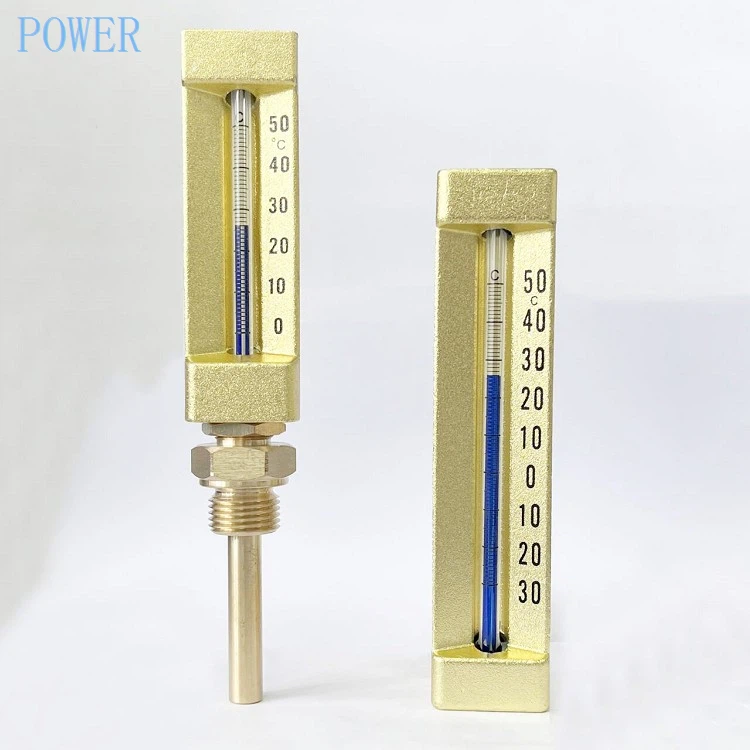
For thermometers that use traditional analog scale display (such as mercury or alcohol column thermometers), if when reading the scale, the line of sight is not horizontal and vertical to the top of the liquid column or the pointer, but is viewed from an upward or downward angle, then the read value will deviate from the actual scale position, causing reading errors. To avoid parallax, make sure your eyes are at the same level as the top of the dial or liquid column before reading.
Not waiting for the thermometer to completely stabilize
When measuring, the thermometer needs a period of time to reach thermal equilibrium with the object or environment being measured. The so-called "thermal balance" refers to the process in which the temperature difference between the thermometer and the object being measured (such as the human body, liquid or equipment) gradually decreases through heat conduction, and finally becomes consistent. Only after thermal equilibrium is reached can the thermometer's reading truly reflect the actual temperature of the object being measured. If the data is read before the heat is fully conducted and the thermometer is still in the rising stage, the reading at this time can only reflect the "transition temperature during the heat conduction process." Therefore, in order to ensure accurate readings, the measurement time must be strictly followed according to the recommended time in the product manual, and the measurement time cannot be judged based on subjective feelings.
The Usage Environment Does Not Match The Applicable Scope Of The Product
Different types of thermometers are suitable for different environments. For example, mercury thermometers cannot be used in extremely low temperature scenarios, while the accuracy of electronic thermometers may be affected in high temperature or high humidity environments. If an unsuitable thermometer is used in a specific environment, the sensing element may respond sluggishly or malfunction, causing the measurement results to deviate from the true value. Therefore, users need to fully understand the applicable environmental range of the product.


Measurement Positions Are Inconsistent Or Unreasonable
There may be significant temperature differences in different parts of the object being measured. If the location of each measurement is inconsistent, different temperature readings will naturally occur. For example, when measuring human body temperature, if the forehead is sometimes measured, sometimes the armpit is measured, and sometimes the ear canal is measured, the results will be different even if the same thermometer is used. This is because there are inherent differences in temperature in different parts. If the center of the heat source is not selected when measuring the temperature of equipment in industrial applications, the actual temperature will also be underestimated. Therefore, selecting appropriate and consistent measurement points is key to ensuring data accuracy.
The Thermometer Is Inserted To An Inappropriate Depth
When measuring the internal temperature of a liquid or solid, the insertion depth of the thermometer probe is directly related to the accuracy of the reading. If it is inserted too shallowly, the probe fails to contact the center of the heat source, and the reading is often low; if it is inserted too deep, exceeding the specified range, the sensing element may be damaged. Therefore, different products will indicate the minimum or recommended insertion depth in the instructions. Ignoring this requirement may affect the accuracy of the readings.

Use the thermometer in strict accordance with the instructions. For example, some ear thermometers need to be inserted after straightening the auricle, infrared thermometers need to keep a distance and aim vertically at the target, mercury thermometers need to swing the liquid column below 35°C before use, etc. If the operation method is wrong, even if the product itself is accurate, the reliability of the measurement results cannot be guaranteed. In addition, the choice of measurement time is also important. For example, measuring body temperature just after exercise or after eating may temporarily increase, causing misjudgment. Therefore, standardizing operating procedures is the basic prerequisite to ensure data authenticity.