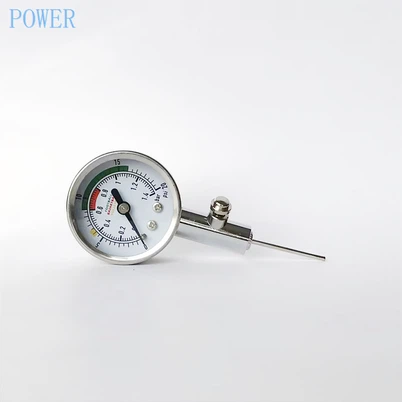
Understanding the Car Tire Gauge: A Comprehensive Guide
Leave a message
A car tire gauge, also known as a tire pressure gauge, is essential for maintaining the optimal inflation pressure in a vehicle's tires. Proper tire pressure is crucial for ensuring safe driving, enhancing fuel efficiency, and prolonging the lifespan of tires. This device allows drivers to measure the air pressure inside their tires, enabling them to adjust it as necessary to meet manufacturer recommendations. A car tire gauge is a simple yet indispensable component of automotive maintenance, as even minor deviations in tire pressure can significantly impact vehicle performance and safety.
Car Tire Gauge Types
Analog Tire Pressure Gauge
The analog tire pressure gauge, a time-honoured device with a dial or needle display, operates on a mechanical principle that employs a Bourdon tube or similar mechanism to indicate pressure. Known for their affordability and ease of use, these gauges provide a swift visual reference for tire pressure. However, the accuracy of analog gauges may deteriorate over time due to wear and tear, necessitating periodic calibration. Despite this, they remain a popular choice among drivers who value simplicity and reliability in their automotive tools. The tactile feedback and straightforward design make them a staple in many vehicles, ensuring drivers can quickly assess their tire pressure with minimal effort.
Digital Tire Pressure Gauge
The digital tire pressure gauge is a modern alternative to its analog counterpart, offering enhanced precision and user-friendliness. Utilizing electronic sensors to measure tire pressure, it displays the reading on an LCD or LED screen. Digital gauges often come equipped with features such as backlighting for improved readability in low-light conditions, automatic shut-off to conserve battery life, and pressure conversion capabilities. Their digital display ensures higher accuracy and easier interpretation compared to analog gauges. While the initial cost and the need for periodic battery replacement are drawbacks, the benefits often outweigh these concerns, making digital gauges a preferred choice for those seeking convenience and exactness in tire pressure measurement.
Electronic Tire Pressure Monitoring Systems (TPMS)
Electronic Tire Pressure Monitoring Systems (TPMS) represent the pinnacle of tire pressure measurement technology. Comprised of sensors mounted on each tire, TPMS continuously monitors pressure and transmits data to a central receiver, typically located on the vehicle's dashboard. These systems provide real-time tire pressure information, alerting drivers to any significant deviations from recommended levels. TPMS enhances safety and convenience by ensuring optimal tire pressure at all times, which can improve fuel efficiency and extend tire life. Although the installation and maintenance of TPMS can be more complex and costly compared to standalone tire gauges, the long-term benefits of continuous monitoring and real-time alerts make it an increasingly common feature in modern vehicles. As automotive technology advances, TPMS continues to evolve, offering even greater integration and functionality to meet the needs of today's drivers.
Choosing the Right Car Tire Gauge
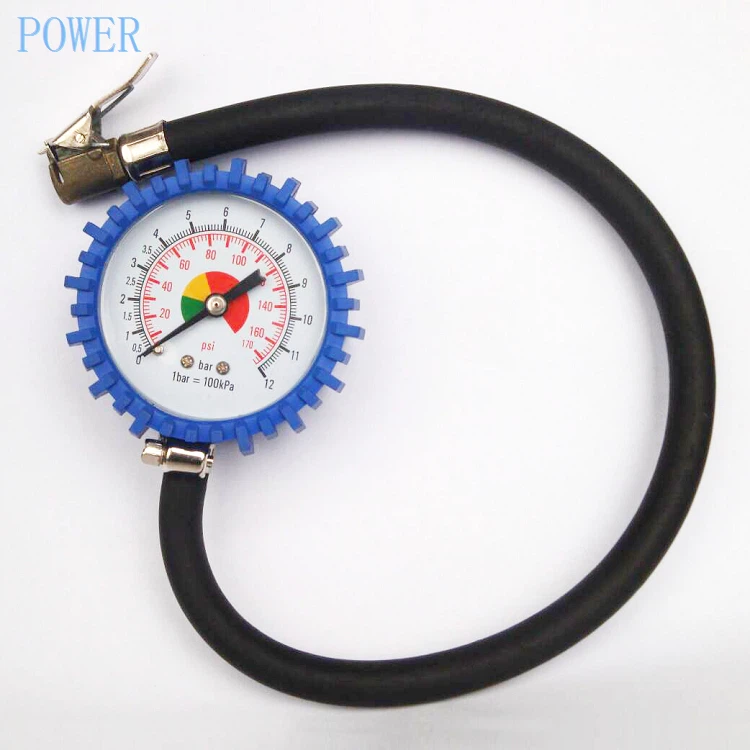
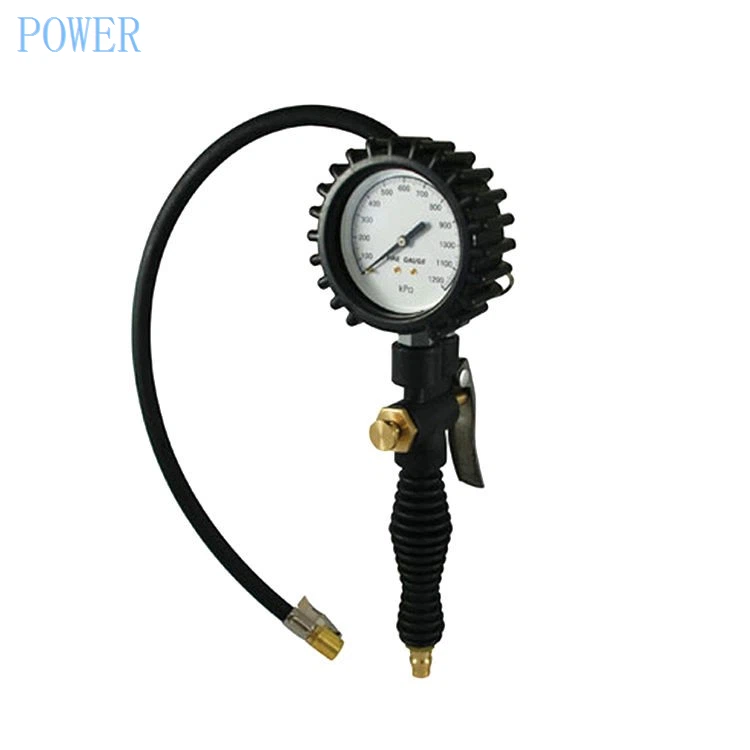

![XHNQPYBO(4ZJ]`GQ5}YYD49_tmb(001)](https://www.powermanometer.com/uploads/42773/63mm-dial-tire-gauge20241031040223a9fa0.jpg "info-1-1")
Accuracy
Accuracy is paramount when choosing a tire gauge. Look for a gauge that is certified to meet industry standards, such as those set by the International Organization for Standardization (ISO). This ensures that the readings you obtain are reliable and within an acceptable margin of error. Additionally, consider reviews and testimonials from other users to gauge the consistency and accuracy of the tire gauge over time. Some high-end models may even offer calibration certificates, further validating their precision.
Ease of Use
Ease of use is another critical factor in selecting a tire gauge. Whether you prefer the simplicity of an analog gauge or the precision of a digital model, ensure that the gauge is intuitive to operate. Consider features like an ergonomic design that fits comfortably in your hand, large, easy-to-read displays, and clear markings that make it simpler to interpret readings quickly. Some digital models may also offer backlighting or auto-shutoff features to enhance usability in low-light conditions or conserve battery life.
Durability
Durability is essential for a tire gauge that will be exposed to various environmental conditions, including extreme temperatures, moisture, and dirt. Look for gauges made from high-quality materials such as stainless steel or brass, which can withstand these elements and stand up to regular use. Consider the gauge's warranty as an indicator of its expected lifespan and manufacturer confidence. Gauges with longer warranties often signify better build quality and a commitment to customer satisfaction.
Budget
Finally, your budget will play a significant role in your decision-making process. While digital and Tire Pressure Monitoring System (TPMS) gauges offer higher accuracy, convenience, and additional features like battery life indicators and memory functions, they come at a higher cost. Analog gauges, on the other hand, are generally more affordable and still provide reliable service for basic tire pressure checks. Weigh the benefits of each type against your budget constraints, considering whether the additional features and accuracy of digital models justify their higher price tag for your needs. Also, remember to factor in the potential long-term savings from maintaining proper tire pressure, which can improve fuel efficiency and extend tire lifespan.
How to Use a Car Tire Gauge
Preparation
Before using the tire gauge, ensure that you have it ready along with any necessary tools and accessories. This may include a tire valve stem cap remover, an air compressor if you need to adjust tire pressure, and possibly a notepad or smartphone to record your readings. Park your vehicle on a flat, stable surface to ensure accurate measurements. Additionally, allow the tires to cool down after driving, as tire pressure can increase with heat. It's best to check tire pressure when the tires are cold, as this provides the most accurate reading.
Checking Tire Pressure
Locate the valve stem on each tire, which is typically a small, metal protrusion with a cap. Carefully remove the cap and set it aside in a safe place where it won't be lost. Press the tire gauge's nozzle firmly onto the valve stem, ensuring that the gauge is perpendicular to the valve stem to prevent air leakage. For analog gauges, watch the needle move and note the pressure reading carefully. For digital gauges, wait for the display to stabilize and read the pressure value accurately. It's a good idea to check the pressure in all four tires, as well as the spare tire if it is mounted on your vehicle.
Adjusting Tire Pressure
If the tire pressure is below or above the manufacturer's recommended level, you will need to adjust it accordingly. Use an air compressor to add air if the pressure is too low. If the pressure is too high, you can release air slowly by pressing the valve stem with a tire pressure release tool or the gauge itself if it has a built-in release function. Be sure to recheck the pressure after each adjustment to ensure that it meets the recommended level. It's important to maintain proper tire pressure, as it can affect fuel efficiency, tire lifespan, and overall driving safety.
Final Steps
Once you have adjusted the tire pressure to the desired level, remove the gauge from the valve stem and replace the valve stem cap securely. This will prevent dirt and moisture from entering the tire and causing damage. Repeat the process for all tires, including the spare tire if it is mounted on your vehicle. Remember to store your tire gauge in a safe, accessible place for future use, and consider keeping a spare gauge in your vehicle's emergency kit just in case. Additionally, keep a record of your tire pressure readings and adjustments, so you can monitor any changes over time and ensure that your tires remain properly inflated.
![XHNQPYBO(4ZJ]`GQ5}YYD49_tmb(001)](https://www.powermanometer.com/uploads/42773/63mm-dial-tire-gauge20241031040223a9fa0.jpg?size=500x0 "XHNQPYBO(4ZJ]`GQ5}YYD49_tmb(001)")