SF6 Monitoring Gauge: A Comprehensive Guide
Leave a message
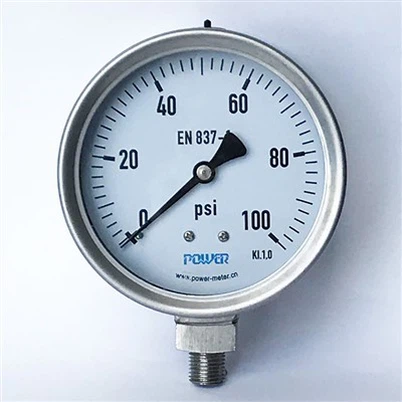
SF6 Monitoring Gauge, a pivotal tool in the realm of electrical engineering and industrial safety, serves as a vigilant sentinel monitoring the levels and conditions of sulfur hexafluoride (SF6) gas within various applications. SF6, renowned for its exceptional electrical insulation properties and arc-quenching capabilities, is ubiquitous in high-voltage equipment such as gas-insulated switchgear (GIS), circuit breakers, and transformers. However, its environmental footprint necessitates stringent monitoring to prevent emissions and ensure compliance with environmental regulations. An SF6 Monitoring Gauge is essentially a device designed to measure and display critical parameters of SF6 gas, including its pressure, purity, leakage rate, and sometimes even humidity, thereby enabling timely maintenance and safety assessments. This article delves into the core components, primary types, and selection criteria of SF6 Monitoring Gauges, providing a comprehensive understanding essential for effective gas management.
Structure Composition of SF6 Monitoring Gauge

Sensor Assembly
At the heart of every SF6 Monitoring Gauge lies the sensor assembly, responsible for detecting the gas's properties. Depending on the gauge's design, this could encompass electrochemical sensors for detecting specific gas components, infrared (IR) sensors for measuring SF6 concentration, or even mass spectrometry for detailed gas analysis. These sensors convert physical parameters into electrical signals that the gauge can interpret and display.
Microcontroller and Electronics
Behind the scenes, a microcontroller processes sensor data, executing algorithms to convert raw signals into meaningful information. It also handles communication protocols, enabling data transmission to remote monitoring systems or data loggers. The electronics include power management circuits, ensuring efficient energy use and prolonged battery life for portable gauges.

Display Unit
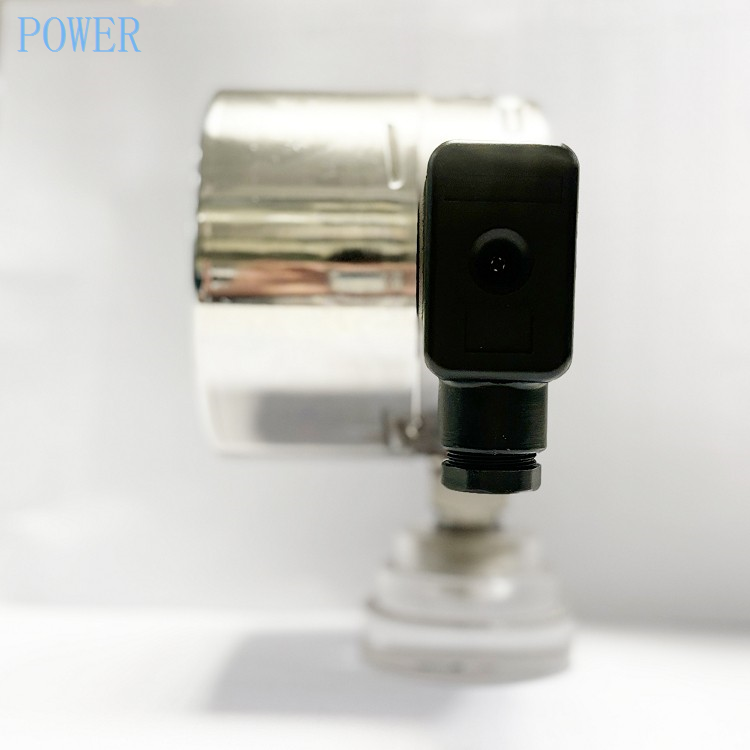
The display unit, typically an LCD or LED screen, serves as the interface through which operators visualize real-time gas data. It presents information such as gas pressure, purity levels, leakage rates, and warnings or alerts when predefined thresholds are breached. User-friendly interfaces often allow for customizable settings and historical data logging.
Connectivity Options
Modern SF6 Monitoring Gauges often feature connectivity options like Bluetooth, Wi-Fi, or RS-485 interfaces, facilitating seamless integration into automated monitoring systems. This capability allows for remote monitoring, predictive maintenance, and real-time alerts, enhancing overall system reliability and safety.

Main Types of SF6 Monitoring Gauge
Portable SF6 Monitoring Gauges
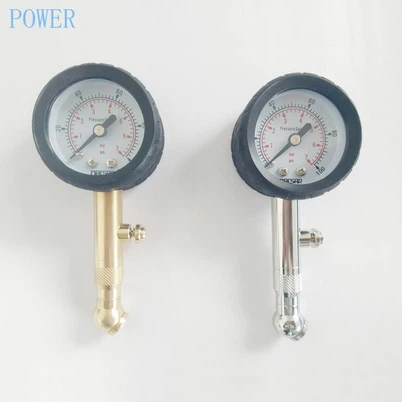
Designed for versatility and mobility, portable SF6 Monitoring Gauges are ideal for spot-checking SF6 levels in a variety of locations. They are lightweight and compact, making them easy to transport and maneuver in confined spaces. Powered by long-lasting batteries, these gauges enable technicians to quickly assess gas conditions in GIS (Gas Insulated Substations), circuit breakers, transformers, and other critical electrical equipment without the need for permanent installations. Their user-friendly interfaces and intuitive controls ensure that even novice operators can perform accurate measurements with ease. These gauges typically offer a range of measurement capabilities, from basic pressure monitoring to advanced gas analysis, including dew point, temperature compensation, and leakage detection, catering to diverse maintenance needs and ensuring the reliability and safety of electrical systems.
Online SF6 Monitoring Systems
Online SF6 Monitoring Systems are permanently installed within electrical equipment, providing continuous, real-time monitoring of SF6 gas conditions. They integrate seamlessly into the equipment's control systems, offering comprehensive data on gas pressure, purity, humidity, temperature, and leakage rates. These systems often include automated alert mechanisms that trigger warnings when gas levels fall below safe thresholds, enabling predictive maintenance and proactive safety management. Their data logging capabilities allow for historical analysis and trend tracking, helping to identify potential issues before they become critical. The permanent nature of these systems ensures constant vigilance, which is critical for high-risk or critical infrastructure applications such as power plants, substations, and data centers.
Smart SF6 Monitoring Solutions
Leveraging the power of Internet of Things (IoT) technology, smart SF6 Monitoring Solutions transcend traditional gauge functionalities. These solutions combine high-precision sensors with cloud-based platforms, enabling remote monitoring, real-time analytics, and predictive maintenance from anywhere with an internet connection. By aggregating data from multiple sources, they offer a holistic view of SF6 gas health across entire fleets of equipment, streamlining maintenance schedules, and optimizing operational efficiency. Smart solutions also incorporate machine learning algorithms that analyze historical data to predict future gas conditions and potential failures, enabling proactive decision-making and reducing downtime. Their user-configurable alerts and notifications ensure that critical information is delivered to the right personnel at the right time, enhancing overall safety and reliability.
Selection Advice for SF6 Monitoring Gauge

![)V(P~6DW}]0BZS@%`M~G%(G_tmb(001)](https://www.powermanometer.com/uploads/42773/back-connection-sf6-monitoring-gauge202410310429304c9af.jpg "info-1-1")

Assess Your Monitoring Needs
Before selecting an SF6 Monitoring Gauge, thoroughly evaluate your specific monitoring needs. Consider factors such as the type and size of the equipment being monitored, as larger or more complex systems may require more sophisticated monitoring solutions. The frequency of checks should align with industry standards and the criticality of the application. Determine the required measurement accuracy based on safety thresholds and regulatory compliance requirements. Additionally, assess whether real-time monitoring is necessary for immediate response to potential leaks or gas concentration changes. This comprehensive assessment will help narrow down the gauge types best suited to your unique application.
Consider Equipment Compatibility
Ensure the chosen gauge is compatible with the existing equipment and gas management systems. Check for interface compatibility, such as digital or analog signal outputs, and ensure they match your system's requirements. Verify data transmission protocols to ensure seamless integration with your monitoring software or control system. Consider the power requirements and whether the gauge can be powered by your existing infrastructure or if additional power sources are needed. For existing systems, explore upgrade options or retrofits that maintain compatibility while enhancing functionality and performance.
Evaluate Measurement Accuracy and Range
Accuracy and measurement range are crucial factors in selecting an SF6 Monitoring Gauge. Select a gauge with sufficient precision to meet or exceed your safety and compliance standards. Consider the highest and lowest SF6 levels expected in your application to ensure the gauge's range adequately covers these values, providing reliable readings across the entire spectrum. For critical applications requiring stringent gas management, high-precision gauges with multi-point calibration capabilities may be necessary to ensure accuracy within tight tolerances.
Look for Advanced Features
Modern SF6 Monitoring Gauges offer a range of advanced features that can enhance operational efficiency and safety. Look for remote monitoring capabilities that allow you to access real-time data from anywhere, data logging features that store historical data for analysis and trending, and predictive maintenance alerts that notify you of potential issues before they become critical. Evaluate the benefits of these features against your operational needs and budget constraints to determine which ones will provide the most value. Consider user-friendly interfaces and mobile app compatibility for ease of use and accessibility.
Consider Cost and Maintenance
While the initial cost of the gauge is a critical factor, it's essential to consider long-term maintenance and operational costs as well. Evaluate the gauge's durability and lifespan to ensure it can withstand the rigors of your application. Check the warranty terms and conditions to understand what is covered and for how long. Consider the availability of spare parts and the response time for repairs or replacements. Assess the complexity of maintenance tasks and whether specialized training is required for your staff. Choosing a gauge with a robust design, reliable support network, and easy-to-access maintenance points can minimize downtime and maintenance expenses, ensuring ongoing operational efficiency and safety.