Pressure Gauge: An Essential Tool for Measuring Pressure
Leave a message
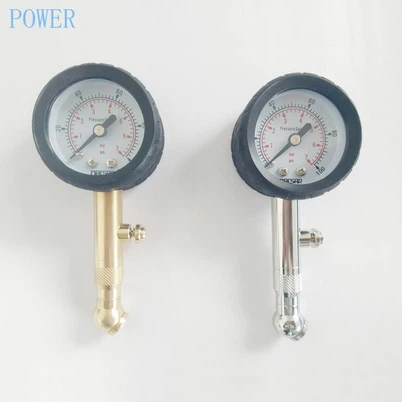
A pressure gauge, also known as a pressure meter or pressure indicator, is a device used to measure and display the pressure of a fluid or gas. It is a crucial tool in various industries, including automotive, aerospace, manufacturing, and healthcare, where precise pressure measurement is essential for safety, efficiency, and quality control. By converting the pressure of a fluid or gas into a readable format, pressure gauges provide valuable insights into system performance and help prevent over-pressurization or under-pressurization, which can lead to equipment failure, safety hazards, and operational inefficiencies.
Pressure Gauge Types



Bourdon Tube Pressure Gauge
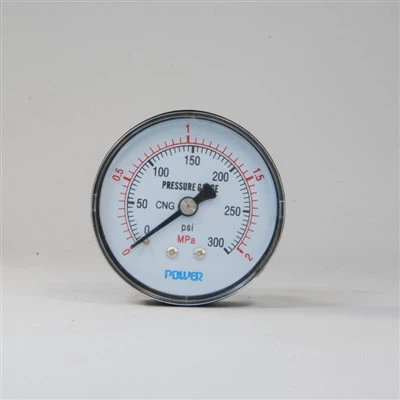
The Bourdon tube pressure gauge is one of the most common types of pressure gauges. It operates on the principle that a flattened, curved tube will straighten out when pressure is applied to it. This movement is then translated into a pointer on a dial, indicating the pressure reading. Bourdon tube gauges are available in a wide range of sizes, accuracies, and pressure ranges, making them suitable for various applications. They are known for their durability, reliability, and cost-effectiveness.
Diaphragm Pressure Gauge
A diaphragm pressure gauge uses a flexible diaphragm to sense pressure changes. When pressure is applied to the diaphragm, it deflects, causing a lever or linkage system to move a pointer on a dial. Diaphragm gauges are often used in applications where the media is corrosive or viscous, as the diaphragm can be made from materials that are resistant to these conditions. They are also suitable for low-pressure measurements and can offer high accuracy and stability.
Electronic Pressure Gauge
Electronic pressure gauges use sensors to measure pressure and convert the data into a digital display. These gauges can provide real-time pressure readings, data logging, and remote monitoring capabilities. They are often used in critical applications where high accuracy, repeatability, and reliability are required. Electronic gauges can also be programmed to alert operators to pressure changes or anomalies, providing an additional layer of safety and control.
Differential Pressure Gauge
A differential pressure gauge measures the difference in pressure between two points in a system. This type of gauge is commonly used in flow measurement applications, such as in orifice plates, venturi meters, and pitot tubes. Differential pressure gauges can be either mechanical or electronic and are designed to handle a wide range of pressures and temperatures. They are essential for monitoring and controlling fluid flow in various industrial processes.
Absolute and Gauge Pressure Gauges
Absolute pressure gauges measure pressure relative to a perfect vacuum, while gauge pressure gauges measure pressure relative to atmospheric pressure. Absolute pressure gauges are used in applications where the pressure of the fluid or gas is critical, such as in vacuum systems or high-altitude environments. Gauge pressure gauges are more common and are used in a wide range of industrial and commercial applications where atmospheric pressure is a constant reference point.
Pressure Gauge Purchasing Advice
Determine the Required Pressure Range and Accuracy
Before purchasing a pressure gauge, it is essential to determine the required pressure range and accuracy. The pressure range should be selected based on the maximum and minimum pressures expected in the application. Accuracy refers to the degree of closeness between the actual pressure and the pressure indicated by the gauge. Choosing a gauge with the appropriate pressure range and accuracy will ensure accurate and reliable measurements.
Consider the Media Compatibility
The media being measured can have a significant impact on the choice of pressure gauge. Factors such as temperature, pressure, corrosiveness, and viscosity must be considered to ensure that the gauge materials are compatible with the media. Choosing a gauge with materials that are resistant to the media will extend the gauge's lifespan and prevent inaccurate readings.
Evaluate the Environment and Installation Conditions
The environment and installation conditions where the pressure gauge will be used can also affect the choice of gauge. Consider factors such as vibration, temperature extremes, and exposure to moisture or contaminants. Gauges designed for harsh environments may require special features, such as shock-resistant cases, vibration dampeners, or sealed enclosures, to ensure accurate and reliable measurements.
Consider Cost and Maintenance Requirements
The cost of a pressure gauge can vary widely depending on its type, accuracy, and materials. It is important to balance cost with the gauge's performance requirements and lifespan. Additionally, consider the maintenance requirements of the gauge. Some gauges may require regular calibration or replacement of parts, which can add to the overall cost of ownership.
Pressure Gauge Installation Guidelines

Select an Appropriate Location
The location where the pressure gauge is installed is crucial for accurate and reliable measurements. The gauge should be installed in a position that allows easy access for reading and maintenance. This means it should be mounted at eye level or within a convenient reach to facilitate regular checks and any necessary adjustments. Simultaneously, it is vital to avoid exposure to direct sunlight, which can cause the gauge to overheat and potentially malfunction, as well as heat sources that could alter the reading due to thermal expansion. Excessive vibration should also be minimized, as it can lead to premature wear and tear on the gauge's internal mechanisms, affecting its accuracy and longevity. Furthermore, the gauge should be installed in a location that is representative of the system pressure being measured, ensuring that the reading reflects the actual pressure conditions within the system.
Ensure Proper Connection and Sealing
The pressure gauge should be connected to the system using appropriate fittings and tubing that are compatible with the media being measured. This includes selecting materials that can withstand the pressure, temperature, and chemical properties of the fluid or gas being monitored. Ensure that the connections are tight and sealed using appropriate gaskets or sealing compounds to prevent leaks and pressure loss. Leaks can not only compromise the accuracy of the gauge but also pose safety hazards. Regularly inspect the connections for any signs of wear, corrosion, or leakage and tighten or replace seals as necessary.
Follow Manufacturer Instructions
Always follow the manufacturer's instructions for installing and calibrating the pressure gauge. These instructions will provide detailed steps for assembly, mounting, and connecting the gauge to the system, ensuring that it is installed correctly and operates within its specified performance range. Additionally, refer to the manufacturer's documentation for troubleshooting and maintenance guidelines. This includes recommended inspection intervals, cleaning procedures, and any necessary lubrication or replacement parts to keep the gauge in optimal condition. Keeping a copy of the manual readily accessible can facilitate quick reference and efficient maintenance.
Perform Initial Testing and Calibration
After installing the pressure gauge, perform initial testing and calibration to ensure that it is reading accurately. This involves comparing the gauge's readings to a known pressure source, such as a certified pressure standard or another calibrated gauge, under similar conditions. Any discrepancies should be noted, and if necessary, adjust the gauge's calibration settings to match the known pressure value. It is also advisable to perform periodic recalibrations, especially if the gauge is exposed to extreme conditions or has been in service for an extended period. Documenting the test results and calibration dates can help track the gauge's performance over time and ensure compliance with industry standards and safety regulations.