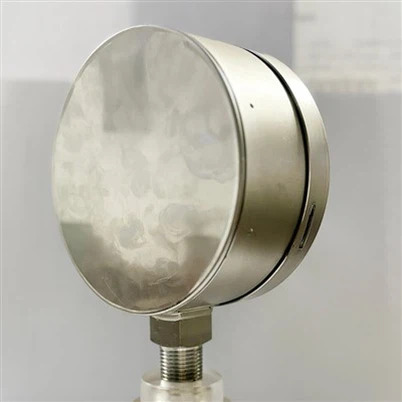
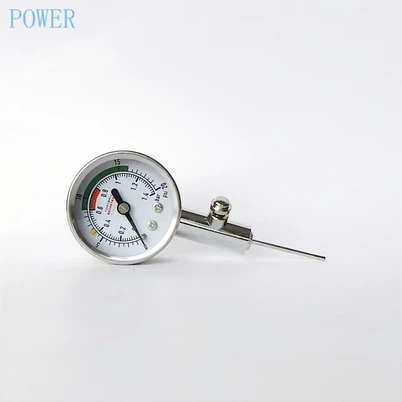
General Pressure Gauge: An Essential Tool for Various Industries
Leave a message
A General Pressure Gauge, often referred to simply as a pressure gauge, is an instrument designed to measure and indicate the pressure of gases or liquids within a system. It serves as a vital component in numerous industrial and commercial applications, providing critical information about the operational status and safety of various processes. By utilizing various sensing elements, such as Bourdon tubes, diaphragms, or bellows, these gauges convert pressure into a mechanical displacement that is then indicated on a calibrated scale. The simplicity and reliability of general pressure gauges make them indispensable in a wide range of environments, from high-pressure steam boilers to low-pressure pneumatic systems.
General Pressure Gauge's Application Areas


Petrochemical Industry
In the petrochemical industry, general pressure gauges serve as indispensable tools for monitoring and controlling pressure within pipelines, reactors, and storage tanks. The accuracy and durability of these gauges are critical, as they function as vital safeguards against over-pressurization, which has the potential to trigger catastrophic failures. From the initial refining of crude oil to the production of plastics and various chemicals, pressure gauges ensure that all processes operate within safe and efficient parameters. Their precision allows for tight control over reaction conditions, optimizing yield and product quality while minimizing waste and energy consumption. Regular maintenance and calibration of these gauges are essential to maintain their reliability and ensure ongoing process safety.
Mechanical Engineering and Manufacturing
In the realm of mechanical engineering and manufacturing, general pressure gauges are indispensable for monitoring hydraulic and pneumatic systems. Within machine tools, presses, and automated assembly lines, these gauges play a pivotal role in ensuring that systems operate at the correct pressures, thereby guaranteeing optimal performance and safety. By providing real-time pressure readings, these gauges enable prompt detection of pressure anomalies, which can prevent equipment damage and costly downtime. This contributes to enhanced productivity, efficiency, and overall competitiveness in the manufacturing sector. Additionally, the integration of digital and smart pressure gauges is increasingly common, offering advanced diagnostics and remote monitoring capabilities.
Automotive Industry
The automotive industry leans heavily on general pressure gauges for a multitude of applications, ranging from tire pressure monitoring to fuel system testing and brake system diagnostics. Accurate pressure readings are indispensable for ensuring vehicle safety, performance, and fuel efficiency. On manufacturing assembly lines, pressure gauges verify the integrity of tire inflation systems, brake lines, and fuel injection systems. In automotive service centers, they assist mechanics in performing precise adjustments and repairs, ensuring vehicles meet safety standards and perform optimally. The adoption of electronic pressure sensors and tire pressure monitoring systems (TPMS) has further enhanced safety and efficiency in automotive applications.
Aerospace and Aviation
In the aerospace and aviation industry, general pressure gauges play a crucial role in monitoring critical systems such as fuel tanks, hydraulic systems, and environmental control systems. The precision and reliability of these gauges are of utmost importance, as they provide critical data that is essential for flight operations and safety. From commercial airlines to military aircraft, pressure gauges ensure that aircraft systems operate within specified parameters, contributing to the overall safety, performance, and efficiency of aerospace vehicles. In modern aircraft, advanced pressure sensors and systems provide real-time monitoring and diagnostics, enabling pilots and maintenance crews to make informed decisions and take prompt corrective actions.
Water and Wastewater Treatment
In the water and wastewater treatment industry, general pressure gauges are vital for monitoring pump performance, filter pressure, and pipeline systems. Real-time pressure readings enable operators to maintain optimal system conditions, promptly detect and prevent leaks and failures, and ensure the safe and efficient treatment of water and wastewater. From municipal water treatment plants to industrial wastewater facilities, pressure gauges are essential for protecting public health and the environment. Their use helps to ensure compliance with regulatory standards and minimize operational disruptions. The integration of remote monitoring and automation technologies is increasingly common, enhancing the efficiency and responsiveness of water and wastewater treatment systems.
Pressure Gauge Accessories Purchasing Guide

Choosing the Right Accessories
When purchasing pressure gauge accessories, it is vital to meticulously consider the unique needs of your specific application. Accessories such as pressure snubbers, pulsation dampeners, and syphons play a critical role in safeguarding your gauge from potential damage caused by pulsating or fluctuating pressures, high temperatures, or exposure to corrosive media. By selecting accessories that are not only compatible with your gauge but also tailored to the demands of your application, you can significantly extend the lifespan of your gauge and enhance its accuracy and reliability, thereby promoting overall system efficiency and safety.
Quality and Durability
The quality and durability of pressure gauge accessories are cornerstone considerations that cannot be overlooked. Seek out accessories constructed from high-quality materials that are known for their resilience and longevity. Look for accessories with a proven track record of performance in similar applications, as this can serve as a testament to their reliability. Furthermore, choosing accessories from reputable manufacturers with a robust warranty and comprehensive customer support can provide you with additional assurance. A strong warranty often indicates a manufacturer's confidence in their product, while responsive customer support can be invaluable in addressing any issues that may arise during the lifespan of the accessories.
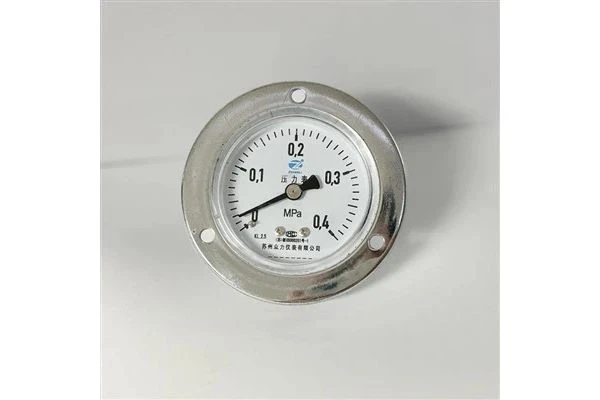

Installation and Compatibility
Ensuring compatibility and ease of installation when selecting pressure gauge accessories is essential. Carefully consider the size, threading, and connection type of your gauge and ensure that the accessories you choose are a perfect match for these specifications. Mismatching accessories can lead to installation challenges and potentially compromise the performance of your gauge. Additionally, meticulously follow the manufacturer's installation instructions to guarantee proper installation and optimal performance. This may involve specific torque requirements, orientation guidelines, or the use of particular tools or lubricants. Taking the time to install accessories correctly can help prevent leaks, ensure accurate readings, and prolong the lifespan of your gauge and accessories.
Pressure Gauge Accessories Maintenance Guide
Regular Inspection and Cleaning
Regular inspection and cleaning of pressure gauge accessories are not merely beneficial; they are fundamental to maintaining peak performance and forestalling premature failure. Conduct thorough checks for any signs of wear, such as scratched surfaces or worn-out gaskets, as well as corrosion, which might manifest as rust or discoloration, and any visible damage, like cracks or broken parts. Utilize appropriate cleaning agents and tools to remove dirt, debris, and contaminants that may accumulate over time, ensuring all surfaces are free of obstructions. Regularly cleaning and inspecting accessories not only extends their lifespan but also guarantees that your gauge continues to deliver accurate and dependable pressure readings, thereby enhancing overall system reliability and safety.
Replacement and Repair
Prompt attention to damaged or worn-out pressure gauge accessories is paramount. Even minor damage can compromise the accuracy and reliability of your gauge, potentially leading to serious safety hazards and operational disruptions. Maintaining an inventory of spare accessories ensures that replacements can be swiftly installed, minimizing downtime and maintaining operational continuity. Furthermore, engaging a qualified technician for regular maintenance and repairs is invaluable. These professionals can detect and address issues before they escalate, employing their expertise to restore your gauge and accessories to optimal condition. Regular professional maintenance also helps in adhering to industry standards and regulations, safeguarding both your equipment and personnel.
Environmental Considerations
The operational environment of pressure gauge accessories plays a pivotal role in their performance and longevity. When selecting accessories, it is crucial to consider the specific conditions they will endure, including temperature extremes, humidity levels, and exposure to corrosive media. Opt for accessories designed to withstand these environmental factors, such as those with corrosion-resistant coatings or materials suited for high-temperature applications. Additionally, implement protective measures like shields or enclosures where necessary to further safeguard accessories from harsh elements. By aligning your accessory choices with the environmental demands of your application, you can ensure sustained optimal condition and reliable performance, ultimately contributing to the overall efficiency and safety of your operations.